For building owners, facility managers, and developers in North Carolina and Virginia, regenerative drive modernization for traction elevators represents one of the most effective ways to combine meaningful energy savings with increased reliability and sustainability. This upgrade is especially well-suited to commercial offices, multifamily towers, healthcare environments, schools, and mixed-use properties that see steady, high-volume elevator traffic. At Kaiser Elevator, our team has helped Southeastern clients determine when and how regenerative drive modernization can be integrated into an existing elevator system to maximize performance and minimize operating costs — all without compromising code compliance or occupant comfort.
Modernizing traction elevators with regenerative drives is no longer a niche trend, but a recommended best practice for buildings seeking to reduce electrical usage and improve the overall profile of their vertical transportation. Kaiser Elevator offers value-engineered modernization solutions that support safe operation, code compliance, and seamless building integration. Below, we provide an in-depth look at regenerative drive modernization: what it involves, how it delivers economic and technical benefits, what to expect from the process, and what building teams should consider before moving forward.
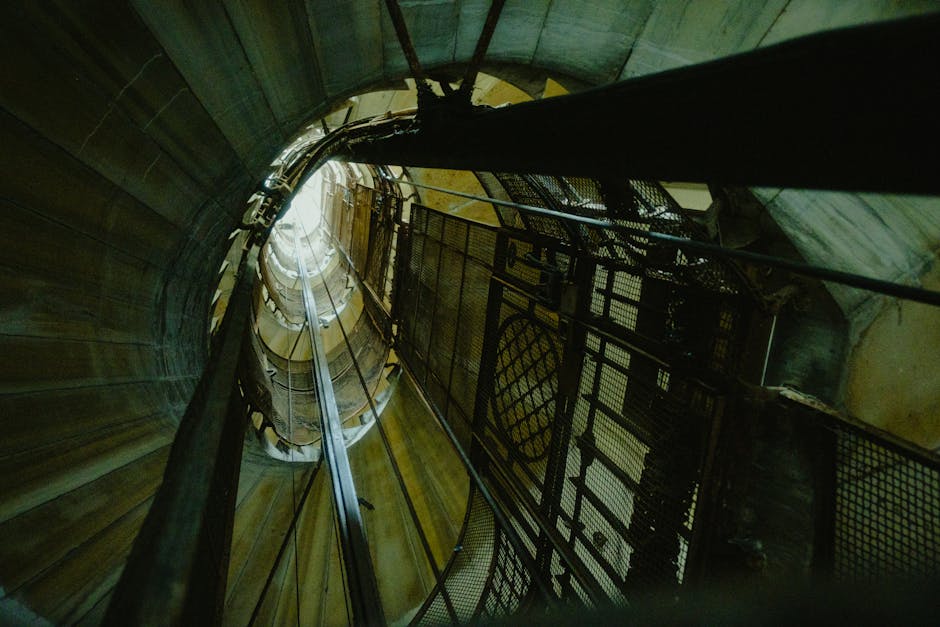
What Is a Regenerative Drive in a Traction Elevator?
A regenerative drive is an advanced component for traction elevators that captures electrical energy typically lost during elevator trips and repurposes it for the building’s power needs. When a traction elevator moves a heavy load downward or a light load upward, the system generates excess energy. Traditional systems dissipate this energy as heat through braking resistors. In contrast, a regenerative drive converts that wasted energy into usable power and feeds it back into the building electrical grid, supporting lighting, HVAC, or other loads. This process can result in significant efficiency improvements, lower heat in elevator machine rooms, and reduced utility expenses.
Why Modernize with a Regenerative Drive?
For buildings in North Carolina and Virginia, utility rates, environmental standards, and modernization codes are evolving. Regenerative drive modernization helps buildings meet or exceed these requirements by:
- Cutting elevator system energy use for lower operational costs.
- Reducing the HVAC cooling burden in equipment spaces by minimizing waste heat.
- Improving ride quality and brake smoothness.
- Enhancing sustainability profiles, which benefits owners focused on green certifications or public-sector standards.
- Supporting code compliance and long-term reliability.
Best Building Types for Regenerative Drive Modernization
Regenerative drives provide the greatest benefit in environments with frequent elevator cycles. These typically include:
- Office towers with regular weekday occupancy and many elevator trips.
- Multifamily high-rises with peak flows during morning and evening periods.
- Hospitals and healthcare environments that require reliable uptime and continuous elevator use.
- Schools and academic buildings with predictable rush periods during class transitions.
- Mixed-use or hospitality properties where different occupancy patterns create continuous elevator demand.
Is Your Elevator a Good Candidate?
Not all traction elevators are equally suited for regenerative drive modernization. The strongest candidates usually share these features:
- High volume of daily elevator cycles and significant up-and-down traffic.
- Older drive equipment relying on resistive braking (traditional non-regenerative drives).
- Gearless traction systems with relatively efficient power transfer — though geared systems may also benefit.
- Noticeable heat issues in the machine room or control area.
- Owners interested in reducing operating costs and environmental impact.
The Modernization Process: How It Works
At Kaiser Elevator, our approach prioritizes engineering accuracy and project transparency. Here’s how a typical project unfolds:
- Conduct a site and equipment assessment to determine system type, age, and modernization feasibility.
- Review the electrical infrastructure for capacity, voltage compatibility, and controller integration.
- Design a code-compliant modernization scope tailored to the building’s needs and elevator configuration.
- Install and configure the regenerative drive system, integrating with new or existing elevator controls.
- Test and validate the system for energy return, braking performance, and ride quality.
- Document the upgrade thoroughly for maintenance records and future service.
Throughout this process, we focus on minimizing disruption to daily building operations and ensuring that all modernization activities comply with current elevator codes and safety standards. For details on our full-service process, see our elevator servicing process.
Benefits After Modernization
Owners and managers often notice several advantages after a properly executed regenerative drive upgrade:
- Noticeable reductions in elevator energy use, especially during high-traffic periods. In some scenarios, past research highlights savings up to 35%, but actual values depend on building specifics.
- Lower mechanical room temperatures, possibly reducing the need for supplemental cooling.
- Smoother ride, braking, and overall elevator performance.
- A stronger sustainability position for LEED, ENERGY STAR, or municipal benchmarking.
- Potentially shorter return on investment periods, particularly in buildings with high elevator utilization.
Technical Considerations
- Electrical compatibility: The drive must match the building’s voltage and ampacity profile.
- Panel and room space: The footprint of the new unit must fit in the existing control or machine room.
- Harmonic filtering: Some electrical systems may require filtering devices to maintain power quality.
- Component condition: If the elevator’s motor, controller, or door operator are approaching end-of-life, combining modernization scopes may be the best value.
- Maintenance planning: Post-upgrade, staff should have clear training and record updates to manage the new equipment.
If you want to explore details around the typical costs for traction modernization, visit our guide on traction elevator costs in 2026.
Modernization vs. Full Replacement
Regenerative drive modernization can be implemented as a focused upgrade or as part of a broader elevator modernization package. If an elevator is experiencing frequent service calls, ride quality issues, or controller reliability concerns, a comprehensive modernization often yields the best lifecycle value. Many property managers in the Southeast choose to group drive upgrades with controls, safety enhancements, or aesthetic improvements for a future-ready solution. For a broader discussion on modernization planning, see our article on modernization planning for aging office buildings in North Carolina and Virginia.
Best Practices for Regenerative Drive Modernization
- Start with a comprehensive site review to confirm your elevator’s suitability for regenerative technology.
- Choose solutions that are code-compliant and value-engineered to control both short-term cost and long-term maintenance needs.
- Work with partners experienced in American elevator codes and with a proven track record in modernization.
- Plan occupant communications to minimize inconvenience during the upgrade process.
- Maintain detailed records including equipment manuals, modernization documentation, and maintenance logs for future reference.
Kaiser Elevator’s Approach in North Carolina and Virginia
Kaiser Elevator serves clients across North Carolina and Virginia, delivering elevator modernization services that span assessment, value engineering, equipment tailoring, installation, control integration, and long-term maintenance. We understand regional codes, climate considerations, and building usage patterns. Our philosophy emphasizes:
- Highly engineered modernization that reduces risk and improves reliability
- Custom, code-compliant elevator packages for commercial, multifamily, hospitality, and public-sector projects
- Experienced, transparent project management to keep schedules and budgets on track
- Post-installation support and ongoing maintenance to protect uptime and rider safety
Our solutions prioritize the needs of property managers, general contractors, architects, and owner-operator teams throughout the Southeast. Learn more about our modernization services and commercial elevator options.
FAQs: Regenerative Drive Modernization for Traction Elevators
What is the main benefit of a regenerative drive for elevators?
The primary benefit is significant energy savings, as the system recaptures power that would otherwise be lost during elevator operation and returns it to the building’s grid. This not only lowers utility costs but can also reduce heat loads and cooling requirements in machine rooms.
How do I know if my elevator should be modernized with a regenerative drive?
If your elevator is a traction model with high usage, older braking technology, and you are experiencing high energy costs or heat accumulation in the control area, a regenerative upgrade is likely a strong candidate. A site assessment by Kaiser Elevator can provide a tailored recommendation.
Do I need to modernize the entire elevator to add a regenerative drive?
No, the drive can be upgraded as a standalone improvement, but many owners bundle it with controls, door operators, or safety upgrades for maximum value and reliability.
How much energy can a regenerative drive save?
Energy savings depend on building usage patterns, equipment type, and modernization scope. Many owners report significant reductions in elevator-related electricity consumption after upgrading. If you’d like more detail, reach out for a customized evaluation.
Is Kaiser Elevator experienced with code compliance in North Carolina and Virginia?
Yes, Kaiser Elevator provides code-compliant elevator solutions throughout the Southeast, with a focus on regional codes, value engineering, and local coordination.
What is the next step if I want to evaluate a regeneration upgrade?
Begin with an on-site assessment to review current elevator technology, energy use, control systems, and modernization goals. We can guide you through this process and provide a detailed modernization plan and projected ROI.
Conclusion
Regenerative drive modernization for traction elevators is a proven method for elevating energy efficiency, reducing operating costs, and supporting sustainability — particularly in high-traffic buildings throughout North Carolina and Virginia. Kaiser Elevator brings deep experience, regional expertise, and a transparent, engineering-driven process to every modernization project. Whether you are focused on targeted upgrades or a full system overhaul, our team can tailor a solution that prioritizes performance, safety, and lasting value.
If you are exploring regenerative drive modernization or a broader elevator upgrade in the Southeast, connect with us at Kaiser Elevator for expert support from site evaluation through installation and long-term maintenance. We stand ready to help you navigate your modernization options and deliver code-compliant, value-driven results with as little disruption as possible.