Elevator modernization planning is essential for aging office buildings in North Carolina and Virginia. As elevators surpass the 20-year mark, property owners and managers face growing risks: noncompliance with evolving building codes, increased repair costs, prolonged downtime, and negative tenant experiences. In such a scenario, having a clear, actionable modernization plan offers building owners protection for asset value, operational reliability, energy efficiency, and long-term compliance. At Kaiser Elevator, we work closely with real estate developers, property and facility managers, and consulting teams throughout the Southeast to deliver expertly engineered solutions tailored to the unique needs of office properties across both states.
Our approach is data-driven, methodical, and focused on creating value, not only through technical upgrades, but by aligning these projects to strategic business goals like tenant retention, energy savings, and future-proofing assets for competitive markets in Charlotte, Raleigh, Richmond, Norfolk, and beyond.
What is Elevator Modernization in Office Buildings?
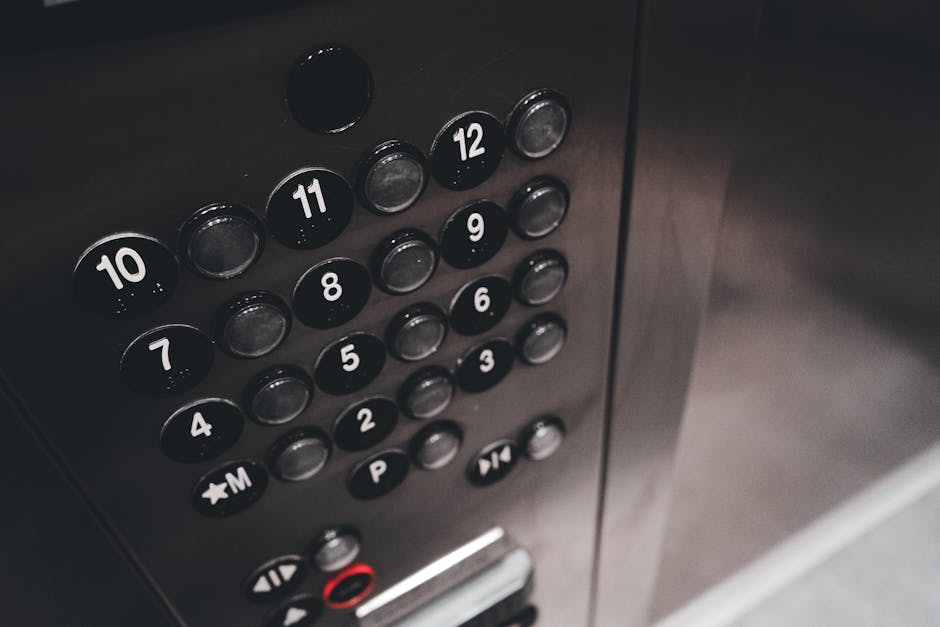
Elevator modernization involves the systematic upgrade or replacement of key elevator components, such as control systems, door equipment, drives, safety devices, and cab interiors, to bring existing systems into compliance with current codes, improve operational efficiency, and enhance user experience. This process often includes engineering review, phased construction, code coordination, and long-term servicing. Companies like Kaiser Elevator provide turnkey modernization solutions, ensuring all upgrades are code-compliant and aligned with owner objectives.
Why Timely Elevator Modernization Matters
Life Cycle of Office Elevators
- Most commercial elevators require major modernization after 20-25 years of service.
- Systems beyond 25-30 years typically face critical component obsolescence, more frequent failures, and rising energy consumption.
Delaying modernization in North Carolina and Virginia can result in:
- Increased safety and compliance violations due to outdated controls and safety features
- Tenant dissatisfaction from unreliable, slow, or unattractive elevators
- Compromised building value and marketability, especially in competitive leasing environments
Structured Modernization Planning: 7 Steps to Office Elevator Success
Step 1: Establish a Modernization Baseline
- Inventory assessment: Identify make, model, age, capacity, and service history for each elevator
- Maintenance review: Analyze frequency and type of breakdowns, repair costs, and outdated equipment
- Code compliance check: Document deficiencies against ASME A17.1 and state/local elevator codes (including ADA access and life safety features)
For offices in NC and VA, Kaiser Elevator recommends this assessment at least every 10 years, and immediately for any system beyond 20 years old.
Step 2: Define Objectives Aligned to Business Needs
- Reduce elevator-related downtime and emergency repairs
- Achieve full code and ADA compliance
- Improve energy efficiency through advanced drives and LED upgrades
- Elevate tenant experience: smoother rides and visually appealing cabs
- Lower long-term maintenance and utility bills
Objectives should match the owner’s long-term asset strategy. For example, we often help clients distinguish the modernization priorities for a building being held long-term versus one preparing for sale or refinancing.
Step 3: Prioritize Modernization Scopes
- Control Systems: Upgrading controller hardware/software ensures performance and code compliance with modern diagnostics and open (non-proprietary) systems.
- Door Operators and Safety: Most shutdowns involve doors. Retrofit new operators, motors, tracks, and high-resolution safety sensors for reliability and user safety.
- Drive & Power Efficiency: Incremental upgrades or full replacement of motors, transmission, and drives substantially reduce energy use and mechanical wear.
- Cab Interiors: Modern wall panels, floors, lighting, and digital controls create an inviting environment that supports the repositioning of Class B to A assets.

Step 4: Develop a Comprehensive Capital Plan
- Immediate priorities (Year 1): Address open violations, critical safety concerns, and chronic failures
- Example budget for mid-rise, 2–3 car bank: $50,000–$150,000
- Core upgrades (Years 2–4): Control system replacement, drive and machine upgrades, door system overhauls
- Hydraulic: $90,000–$150,000 per car; Traction: $125,000–$250,000 per car (costs vary by site)
- Aesthetic and user enhancements (Years 3–5): Interiors, digital features, access control integration
- Cab upgrades: $25,000–$60,000 per cab
We at Kaiser Elevator routinely help building teams structure and sequence capital plans for modernization that fit operational and budgetary realities.
Step 5: Execute Modernization Phasing with Minimal Tenant Impact
- Modernize one car at a time in a multi-car bank, always keeping at least 50% capacity in service
- Schedule disruptive work off-peak (early mornings, evenings, weekends)
- Proactive communication: Post clear signage and notify tenants well in advance of each project phase
- Stagger projects for campuses to maintain elevator capacity and business continuity
Step 6: Assess Return on Investment and Risk Mitigation
- Modernization dramatically lowers repair call volume, utility expenses, and emergency costs
- Typical annual savings in repairs and energy across a 3-car bank can reach $24,000, with “soft” benefits like minimized downtime, improved tenant relations, and higher lease rates
- Strong modernization documentation and reputable execution (backed by Kaiser Elevator) increases resale value and buyer/lender confidence
For in-depth capital planning insights, also see our article on preparing new hydraulic and traction elevator packages in Virginia and North Carolina.
Step 7: Selecting the Right Modernization Partner
- Regional expertise: Look for firms with proven, local experience—like ours in North Carolina and Virginia office towers
- Turnkey capability: We manage all phases: assessment, design/engineering, sourcing, installation, inspection, and ongoing service
- Open architecture: Favor non-proprietary controls and standard components for easier future servicing
- Value engineering: Our team separates must-have upgrades for safety and compliance from aesthetic enhancements to optimize capex
- Transparent process: Documented protocols, rigorous scheduling, and clear communication keep tenants informed and minimize surprises
Modernization Timeline: What to Expect
- Initial evaluation & planning (1–2 months): Inventory, code review, baseline asset assessment
- Design & procurement (2–3 months): Custom engineering, owner/manager approvals, product sourcing
- Equipment delivery (3–6 months): Lead times for major controls, machines, or cab packages
- On-site installation (2–4 months per car, phased): Old equipment removal, modernization, inspections, handover to service
For a typical mid-rise office, expect the process to span 9 to 18 months from planning to final inspection, depending on complexity and building schedule.
Kaiser Elevator Modernization Expertise: What Sets Us Apart
We bring an integrated approach to vertical transportation challenges. Kaiser Elevator delivers:
- End-to-end management—site evaluation, code compliance, engineering, construction, and post-project service
- Solutions tailored for office buildings, ensuring minimal operational disruption
- Compliance-first upgrades that meet or exceed ASME, state, and ADA standards
- Robust, field-tested components and flexible packages adaptable to your building’s unique dimensions and occupancy requirements
- Ongoing servicing programs designed to protect your modernization investment and maximize system longevity
Best Practices for Office Elevator Modernization in NC and VA
- Initiate modernization planning by or before elevators reach 20 years of age
- Establish a rolling inspection and inventory management system with full documentation
- Communicate the modernization plan, timeline, and expected outcomes to stakeholders and tenants upfront
- Prioritize upgrades for compliance, safety, reliability, then focus on cab enhancements for tenant satisfaction
- Select experienced modernization partners with demonstrated regional capability and transparent processes—Kaiser Elevator has delivered projects across the Southeast with these principles in mind
- After modernization, institute a proactive preventative maintenance plan to extend system life and ensure code compliance

Frequently Asked Questions
How often should I modernize office elevators?
Most office elevators require significant modernization every 20–30 years depending on usage, component longevity, and compliance standards. Proactive assessments every 10 years can help prevent expensive failures.
What is included in a typical modernization package?
Most packages cover control systems, door equipment, safety features, drive and power upgrades, and cab interiors. Kaiser Elevator tailors every project to address code, performance, and tenant needs.
Will tenants be disrupted during elevator modernization?
When properly phased, modernization can be completed with minimal disruption, keeping the majority of elevator capacity in service and avoiding peak disruption times. We always center planning around tenant impact mitigation.
How does modernization impact property value?
Modernized elevators increase building marketability, support higher rents, and minimize performance risk—all of which directly support higher asset values and leasing outcomes.
Can modernization be phased based on budget?
Yes. Many owners choose to address immediate compliance/safety concerns first, followed by major upgrades and finally interior/cab enhancements, often over several years.
How do I start a modernization assessment?
Contact Kaiser Elevator for an initial site survey and capital planning consultation. We handle evaluation, code review, phased scopes, and detailed solution design for offices in North Carolina and Virginia.
Conclusion
Proactive elevator modernization planning is essential for owners and managers of aging office buildings in North Carolina and Virginia. The right approach safeguards compliance, controls costs, and preserves tenant and asset value in increasingly competitive markets. At Kaiser Elevator, we are committed to providing bespoke, code-compliant modernization solutions with a focus on reducing cost and schedule risk while elevating rider experience and building aesthetics. If you are preparing for modernization, reach out to our specialists for a tailored consultation or visit our homepage for more details about our design, engineering, and servicing expertise across the Southeast.