Architects working on multifamily projects in the Southeast face relentless pressure to maximize unit layouts, conserve building height, and maintain tight budgets—all while ensuring every shaft, pit, and overhead dimension aligns flawlessly with elevator requirements. Choosing the right elevator partner is crucial to avoid costly redesigns that can surface during construction or inspection. In this region, Kaiser Elevator offers unmatched expertise and a holistic approach to vertical transportation that specifically minimizes redesign risk for architects, developers, and general contractors.
Definition: Elevator Shaft, Pit, and Overhead Redesigns
“Shaft, pit, and overhead redesigns” refer to the costly and time-consuming architectural or structural changes required when the actual elevator dimensions or clearance needs do not match the original plans. This often results in demolition, reframing, or rerouting of critical systems—potentially delaying schedules and increasing costs.

Why Elevator Coordination Challenges Are Common in Southeast Multifamily Projects
Several design and regulatory factors make elevator miscoordination a recurring issue across Alabama, Florida, Georgia, Kentucky, Mississippi, North Carolina, South Carolina, Tennessee, and Virginia:
- Podium designs with four or five wood-framed levels above concrete
- Floor-to-floor heights commonly between 9 and 10 feet, limiting available shaft and overhead space
- Weather considerations such as high humidity, hurricanes, and flooding affecting pit and machine room design
- Code variations and inspection practices unique to each state
Small dimensional errors early in design can easily snowball into significant rework if left unaddressed. That is why architects and developers are increasingly involving elevator partners like Kaiser Elevator earlier in the design process.
Essential Qualities of the Right Elevator Partner for Southeast Multifamily
- Early Design Engagement: Expert elevator partners do not wait until 90% construction documents are set. They perform detailed reviews during schematic and design development stages, offering guidance when floor-to-floor heights and core placements are still flexible.
- Value Engineered and Code-Compliant Packages: Instead of one-size-fits-all solutions, optimal elevator providers engineer tailored packages fitting constrained shafts, overheads, and pits, while ensuring local and ASME / IBC compliance.
- Project-Specific Layouts: The best partners issue signed, dimensionally exact layout drawings, and coordinate closely with architectural, structural, and MEP teams to catch any risk factors early.
- Region-Specific Code Acumen: Knowledge of local codes, inspection routines, and environmental constraints is essential. Kaiser Elevator is well-versed in regional requirements across the Southeast.
- Full Lifecycle Responsibility: Integrated providers handle design, supply, installation, modernization, and ongoing service, minimizing disconnects between design intent and field execution.
Kaiser Elevator’s Approach: Minimizing Design Rework Step by Step
We at Kaiser Elevator follow a collaborative, evidence-based process that protects Southeast architects and developers from shaft, pit, and overhead pitfalls:
1. Early Project Intake and Core Review
- We engage right after core locations are first drafted, examining unit mix, circulation, floor-to-floor heights, and essential constraints.
- Our engineers assess core layout alignment with corridor and lobby needs and verify pit, overhead, and shaft sizing by elevator type.
Early feedback typically leads to only minor core dimension, pit, or machine room tweaks—preventing disruptive changes down the line.
2. Value Engineering the Elevator Package
- For 4-6 story buildings, we walk through both hydraulic and machine-room-less (MRL) traction options, clearly outlining which fits tighter footprints or budget goals.
- In taller (7-12 story) mid-rises, our MRL traction expertise keeps overheads and mechanical spaces minimal, maximizing rentable space and design efficiency.
- We provide not just typical cut sheets, but custom advice on car sizes, door arrangements, and energy-efficient options tailored to your floor plate.
3. Issued-for-Permit Elevator Layouts
- Before permit documents, we issue detailed, project-specific elevator layouts with pit depths, shaft dimensions, and controller clearances locked in.
- This layout becomes your contract reference, making it simple for site teams to build exactly what you designed—with minimal surprises.
4. Construction-Phase Coordination
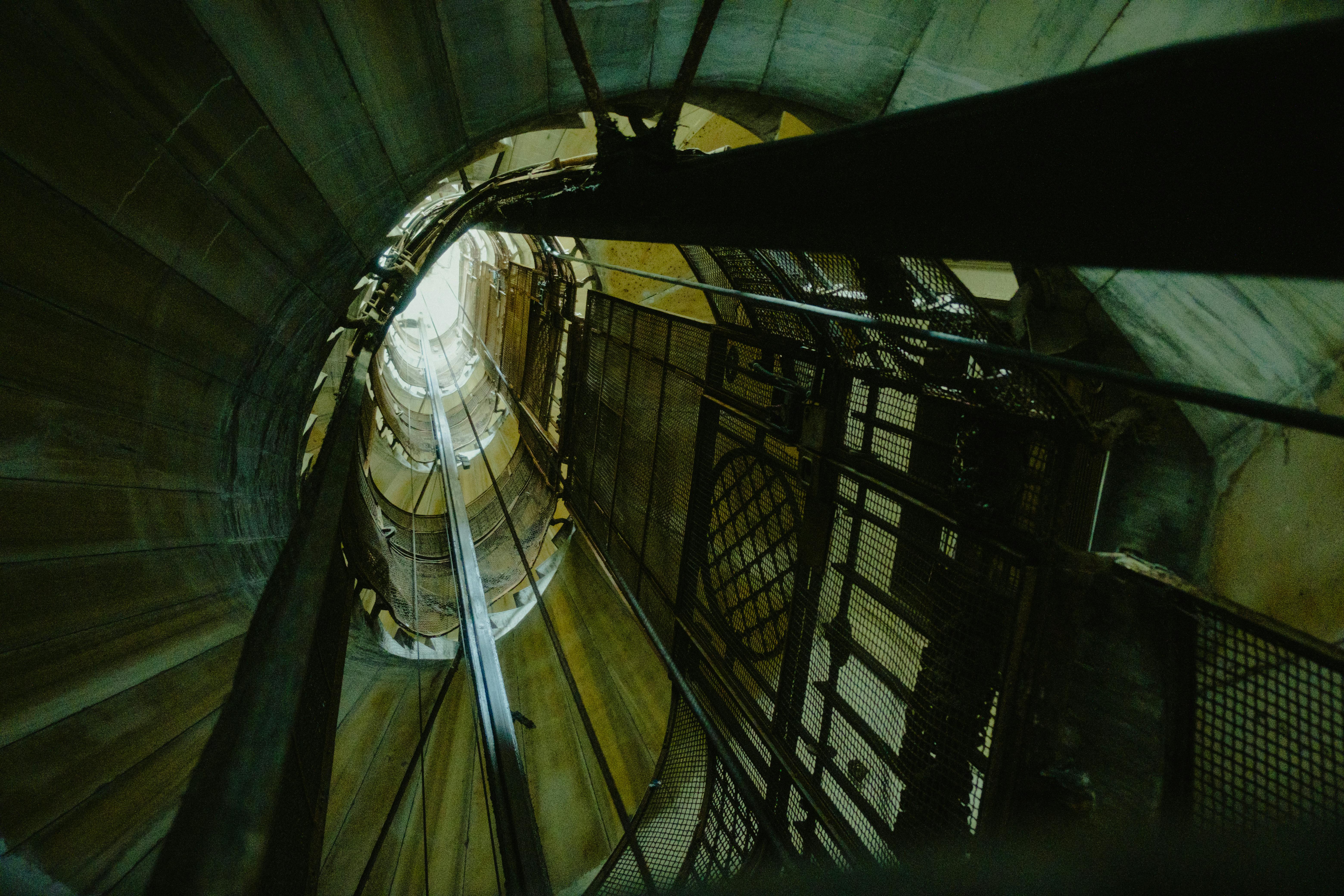
- We coordinate with field teams for pre-pour pit checks, top-of-shaft structural reviews, and MEP/structural coordination at major milestones.
- This step minimizes risk of last-minute demolition, rebar cuts, or envelope penetration, as all critical dimensions have been field-verified.
5. Turnover, Inspection, and Long-Term Service
- Once installed, we support both state and third-party inspections to ensure all codes and clearances are satisfied.
- Our maintenance and training offerings help property staff keep systems running smoothly, reducing the risk of post-occupancy issues.
New vs Modernization Projects: Risks & Kaiser Elevator’s Solutions
For New Installation:
The primary risk is miscalculating geometry in early documents or construction. Having Kaiser Elevator involved from schematic design allows for core accuracy, proper pit and overhead allowances, and integration of fire-rated and accessibility features—all reducing risk of last-minute changes. For more insights, see our post on installing new commercial elevators for projects across Florida, Georgia, and the Carolinas.
For Modernization:
Existing structures present a different challenge. Here, field surveys are essential to capture true pit, shaft, and overhead sizes. We select equipment that fits without invasive expansion, and phase upgrades for occupied buildings. This minimizes disruption, preserves accessibility, and saves both time and capital.
Best Practices: Architect’s Checklist for Avoiding Redesigns
- Confirm Elevator Type Early: Firm up car capacity, speed, and type before locking cores.
- Coordinate Floor-to-Floor Heights: Retain a buffer in the overhead, align pit depths with foundation and waterproofing details, and protect elevator clearance zones in your BIM model.
- Reserve and Protect Shaft Volume: Restrict MEP passage through reserved shaft space and coordinate with all trades to prevent unplanned encroachments.
- Reference Elevator Layouts in Contract Documents: Always attach detailed elevator layouts (not generic code diagrams) to your contract set to keep schedules on track.
- Plan for Flood and Hurricane Zones: Proactively address pit drainage, machine room elevation, and water intrusion right from design—to meet regional code and resiliency needs.
Why Kaiser Elevator Is the Go-To Solution in the Southeast
Kaiser Elevator stands out because we:
- Deliver value-engineered, code-compliant packages for new installations, modernization, and services
- Support every project stage—from initial design to installation and ongoing maintenance
- Are ready to engage early with architects to resolve pit, shaft, overhead, and code issues before they become rework or cost overruns
We operate with a transparent, collaborative spirit and deep regional knowledge, helping clients navigate Southeast building codes, humidity, and storm-resiliency requirements. Our 24/7 emergency hotline and long-term warranty coverage reflect our commitment to operational excellence for every property manager and facility owner we serve.
Frequently Asked Questions
What details must be locked in early to avoid elevator-related redesigns?
Number and type of elevators per core, car capacity and speed, and preliminary core and shaft dimensions should be defined by the end of schematic design. This ensures space is allocated before major plan elements are set.
How does Kaiser Elevator coordinate with architectural and MEP teams?
We review BIM models, issue project-specific elevator layouts, and schedule core and field walkthroughs at key milestones, collaborating directly with MEP and structural engineers to resolve conflicts proactively.
What types of elevator systems are recommended for 4-6 story Southeast multifamily?
Hydraulic elevators are often suitable for lower upfront costs and simplicity, while MRL traction systems are ideal for tighter pit and overhead constraints. Kaiser helps select the best option for each footprint.
What differentiates modernization from new installation in elevator planning?
Modernization relies on careful field measurement of existing pits, shafts, and overheads to minimize structural changes. New installations benefit from early layout and design engagement to prevent future rework.
Does Kaiser Elevator offer maintenance and emergency services?
Yes. We provide regular elevator servicing, modernization support, and 24/7 emergency hotline response. Our team also delivers training for building staff to extend the lifecycle of all installed equipment.
Conclusion & Next Steps
On Southeast multifamily projects, elevator-related redesigns can quickly jeopardize both schedule and budget. By involving an experienced, full-lifecycle partner like Kaiser Elevator, architects and developers dramatically reduce these risks. Our value-engineered packages, region-specific code knowledge, and deep commitment to preconstruction accuracy ensure that shafts, pits, and overheads are right the first time—saving you time, money, and stress.
If you’d like to discuss your upcoming project or need a preliminary elevator coordination review, contact us at kaiserelevator.com, or by phone at +1 (888) 274 6025. Let’s deliver smarter vertical transportation solutions for your next Southeast multifamily development together.