Elevator maintenance is a critical aspect of hospitality management in the Southeast US, especially as hotels in Florida, Georgia, the Carolinas, Tennessee, Virginia, Alabama, Mississippi, and Kentucky gear up for peak summer travel. With guest volumes surging and elevator usage increasing dramatically, any lapse in elevator reliability can quickly escalate into significant operational, financial, and reputational risks. Proactive planning and rigorous execution of elevator maintenance are essential to ensuring guest satisfaction and safety throughout the busy months.

Definition: Elevator Maintenance Planning for Hotels
Elevator maintenance planning in hotels refers to a structured approach to scheduled inspections, servicing, and compliance verification, aimed at minimizing unplanned downtimes and meeting state code requirements before, during, and after periods of high occupancy. A comprehensive plan covers pre-season audits, scheduled monthly maintenance, emergency protocols, and staff training.
Why Rigorous Elevator Maintenance Matters Before Summer
During summer, Southeast hotels routinely experience 30-40% higher foot traffic versus other seasons. This puts extra strain on elevator systems already operating under close scrutiny. When hotel guests face unreliable elevator service—especially during peak occupancy—they may leave negative reviews, seek refunds, or even hold the property liable for ADA violations. Emergency repairs are far costlier than preventive measures, and staff become further burdened by guest complaints and logistical challenges.
At Kaiser Elevator, we’ve found that early, methodical elevator maintenance not only reduces risk but also translates into meaningful savings and happier guests across the Southeast region.
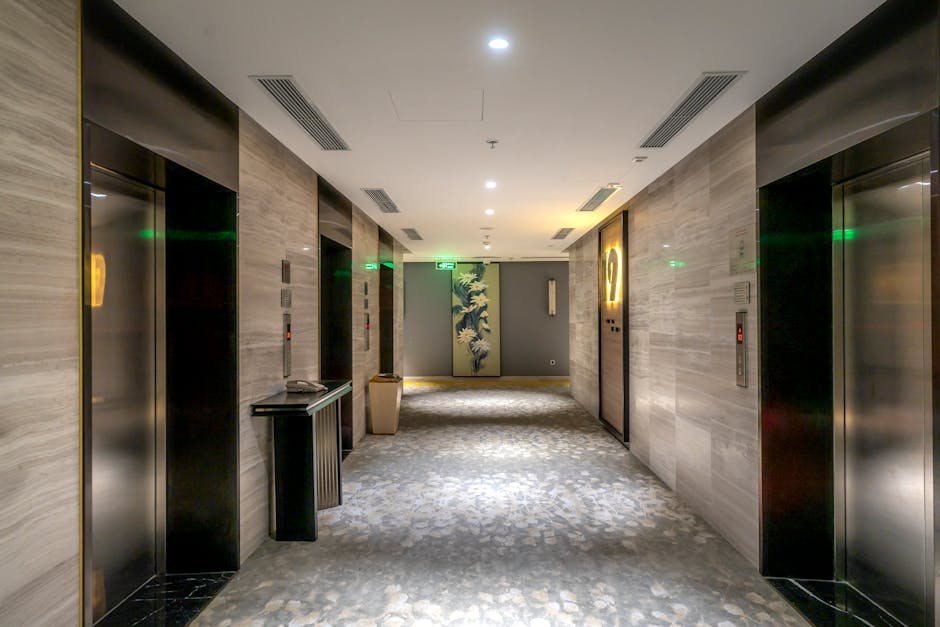
Common Risks of Neglecting Pre-Season Elevator Maintenance
- Guest Inconvenience: Delays or entrapments immediately affect satisfaction scores.
- Loss of Revenue: Unreliable elevator access to upper floors may lead to cancellations or loss of bookings.
- Increased Liability: Non-compliance with ADA/accessibility or state codes can result in citations and legal challenges.
- High Emergency Costs: Rush repair fees and after-hours service calls are more expensive than scheduled maintenance.
- Operational Disruption: Staff that need to assist guests or manage elevator issues lose efficiency and morale.
Step-by-Step Framework for Pre-Summer Elevator Maintenance Planning
1. Schedule a Comprehensive Pre-Season Audit (by Late May)
Book a detailed elevator audit at least two to four weeks before the anticipated summer rush. At Kaiser Elevator, our hotel-focused audits assess safety, mechanical, and electrical components, and produce reports with prioritized repair and upgrade recommendations.
- Inspect emergency brakes, door sensors, backup power, and communication systems
- Test hydraulic fluid quality, rope integrity, door mechanisms, and car leveling precision
- Diagnose control panels, lighting, floor indicators, and access systems for malfunctions
- Document all findings and create a clear action plan for addressing deficiencies
2. Establish and Execute a Monthly Maintenance Schedule (June–August)
Monthly maintenance—performed during lowest traffic hours—helps catch small issues before they cause breakdowns. The monthly routine typically includes:
- Full ride and operational tests with documentation of performance
- Inspection and adjustment of door sensors and motors
- Lubrication and cleaning of mechanical parts as per manufacturer guidance
- Validation of emergency features and backup power system
- Detailed written report and recommendations delivered to management
Many properties utilizing this method report far fewer emergency calls through the summer vs. those relying solely on annual checkups.
3. Address Pre-Season Repairs and Upgrades
From sensor replacements to hydraulic system flushes and software updates, certain recurring maintenance items should be budgeted and scheduled before June. This is especially true for properties with older elevator systems, higher seasonal demand, or prior downtime incidents. Kaiser Elevator supports hotels in evaluating which repairs and upgrades are essential to complete pre-season, thereby reducing the chance of sudden failures during high occupancy.
4. Review State Compliance and Safety Codes
Each Southeast state has unique elevator code requirements, inspection deadlines, and ADA standards. Before summer, confirm whether your equipment is due for compliance upgrades or annual inspection. For example, Florida hotels must schedule state inspections as referenced by the Florida Building Code. Kaiser Elevator offers detailed guidance so that hotel properties in Georgia, North Carolina, and beyond can stay ahead of regulatory requirements and avoid fines.
5. Prepare Emergency Response Protocols
Even with robust planning, unexpected elevator stalls can happen. Establish guest communication procedures for incidents and ensure staff know how to use emergency elevator phones and contact 24/7 service hotlines. Partnering with Kaiser Elevator provides access to a dedicated emergency hotline and rapid technician deployment throughout the Southeast region.
6. Train Staff on Elevator Etiquette and Procedures
Training front desk, housekeeping, and engineering staff to identify, report, and manage elevator issues ensures faster response and more confident guest interactions. Kaiser Elevator provides on-site training tailored to hotel environments, covering everything from emergency phone usage to maintenance incident documentation.
Best Practices for Southeast Hotel Elevator Maintenance
- Act Early: Schedule audits and key repairs before summer arrival spikes and vendor capacity fills up.
- Document Everything: Maintain clear logs of all inspections, repairs, and incidents to support compliance and insurance needs.
- Coordinate Closely With Vendors: Build partnerships with elevator service companies experienced in the hospitality sector and Southeast state codes. Kaiser Elevator is a regional leader in this field.
- Budget for Preventive, Not Corrective, Maintenance: Emergency repairs cost much more, interrupt service longer, and often affect guest ratings.
- Engage in Staff Drills: Hold annual or pre-season scenario training for elevator entrapments, power failures, and guest assistance.
- Prep for ADA and Accessibility Reviews: Make sure all features—such as voice announcements, button heights, and signage—meet current requirements.

Real-World Example: Southeast Hotel Eliminates Downtime With Preventative Maintenance
A well-known hotel in Charlotte, North Carolina (250 rooms, 6 elevators) faced several major outages during previous summers. After partnering with Kaiser Elevator, the hotel implemented a spring audit, fast-tracked critical repairs (like sensor and hydraulic fluid replacement), scheduled monthly checks for June-August, and trained staff for rapid incident response. That summer: zero elevator downtime, faster service request handling, and higher guest satisfaction with overall annual elevator OPEX reduced by nearly half compared to previous years.
Maintenance Cost Planning for Summer Operations
- Pre-season audit per elevator: Budget $1,500–2,500
- Monthly preventive maintenance (June–August): $1,200–1,800 monthly, per elevator
- Common repairs (door sensors, battery, lubrication): $1,000–2,500 total
- Emergency fund: Consider allocating at least 10% of your annual elevator budget for summer contingencies
- Modernization (if needed): Budgets range widely by scope—review with your provider if your equipment is aging
Many Southeast properties find that bundling quarterly or semi-annual service contracts with Kaiser Elevator leads to substantial savings compared to ad hoc calls, especially when pre-season and summer cycles are included as part of a long-term agreement.
Coordinating With State and Local Elevator Compliance Inspections
Hotel elevators must always satisfy annual inspections and code requirements particular to their state. For instance, Georgia and Florida properties must verify modernization compliance and schedule regulatory inspections ahead of high season. Kaiser Elevator remains current on all Southeast codes and can provide guidance to ensure that your property avoids regulatory penalties or costly last-minute upgrades.
For a deeper review of regulatory concerns, see our advice on summer elevator downtime reduction for property managers in Alabama and Mississippi.
FAQ: Southeast Hotel Elevator Maintenance Before Summer
How early should we schedule pre-summer elevator maintenance?
Hotels should book comprehensive audits by late May at the latest. This ensures enough time for repairs before guest arrivals peak in June.
What are the most common elevator failures in summer?
Door sensor malfunctions, hydraulic fluid degradation, power backup battery failures, and worn guide rails are the most frequent summer issues in Southeast hotels.
Who should hotels contact for ADA and code compliance assistance?
Kaiser Elevator can guide properties on state-specific ADA and safety requirements throughout the Southeast region.
What is the best strategy for minimizing emergency elevator repairs?
Preventive maintenance, scheduled monthly during peak months, paired with real-time issue documentation and 24/7 response protocols, is the most effective approach.
Are bundled service contracts worth it?
Many businesses find that bundled, proactive maintenance contracts with a trusted vendor like Kaiser Elevator provide more predictable costs and significantly reduce emergency expenses.
How can we train our hotel staff to support elevator uptime?
On-site training sessions help all staff—from engineering to front desk—understand how to report problems, manage emergencies, and communicate with guests during incidents. Kaiser Elevator offers training designed for hotel operations.
Conclusion
Thorough elevator maintenance planning is essential for Southeast hotels preparing for the demands of peak summer travel. Taking these steps—comprehensive audits, targeted repairs, scheduled monthly service, staff training, and close compliance—mitigates risk, protects revenue, and delivers the standard of guest experience expected by leading hospitality brands.
If your hotel is planning upgrades, seeking compliance support, or requires a reliable service partner from Alabama to Virginia, our team at Kaiser Elevator is ready to help you design a value-engineered maintenance strategy built around your needs. We invite you to schedule a pre-season audit or reach out with questions about best practices and compliance. Your guests—and your bottom line—will thank you.