Reliable elevator performance is essential for any commercial property in Chattanooga. Building teams that pay attention to elevator warning signs can prevent serious safety incidents, unplanned downtime, ADA compliance failures, and costly emergency repairs. Acting early is not just about saving money, but about preserving a building’s safety, accessibility, and reputation.
As a building owner, general contractor, or facility manager, identifying early signals that your commercial elevator requires professional attention is critical. Whether your property relies on hydraulic or traction systems, the best results come from consistent monitoring and working with providers who thoroughly understand both the local Chattanooga environment and industry best practices. Leaders in the Southeast, like Kaiser Elevator, recommend never ignoring the early warning signs outlined below, as these often indicate developing problems that can escalate if left unaddressed.
Definition: What Are Elevator Warning Signs?
Elevator warning signs are physical or operational changes indicating that an elevator is beginning to experience component wear, environmental stress, control system faults, or safety risks. These signs can include unexpected noises, rough rides, slow doors, misalignment at landings, or erratic operation. Recognizing these warnings allows teams to take pre-emptive action, avoiding major malfunctions and keeping elevators operational and code-compliant.
Why Monitoring Elevator Warning Signs Matters in Chattanooga
Chattanooga’s commercial properties face unique environmental and mechanical challenges. Many buildings operate mid-rise hydraulic or traction elevators in conditions of summer humidity and winter cold, both of which accelerate wear and stress on elevator components. Ignoring warning signs can lead to:
- Surprise service shutdowns during peak occupancy
- Elevator-induced safety incidents — including tripping or entrapments
- ADA accessibility violations for wheelchair and mobility-impaired guests
- Escalating maintenance costs as minor faults become major repairs or require costly modernization
Industry leaders, including Kaiser Elevator, note that with proper monthly maintenance, modern commercial elevators can reliably deliver 20-30+ years of service. Timely detection and correction of minor issues is essential to reaching or exceeding this lifespan.
Key Commercial Elevator Warning Signs You Cannot Ignore
1. Unusual Noises During Operation
No commercial elevator should grind, bang, screech, or squeal. These sounds often result from mechanical wear or emerging failures in bearings, gearboxes, sheaves, cables, pulleys, or door hardware.
- Grinding: Often signals bearing failure or cable/pulley misalignment
- Banging/thumping: May indicate loose hardware or mechanical interference at specific floors
- Screeching/squealing: Typically points toward dry bearings, belt issues, or door hardware in distress
- Clunking/rattling with doors: Can reveal operator or linkage faults
Action: Document specifics (location, time, affected elevator), and call your elevator service partner. Kaiser Elevator recommends immediate inspection, especially for grinding or severe screeching sounds.
2. Jerky or Vibrating Travel and Ride Quality
A quality elevator ride should feel smooth. Manifestations such as sudden jerks, shaking, hesitation on start/stop, or uneven acceleration often point to worn drive components, faulty motor controls, or (in hydraulic systems) contaminated or degraded oil.
- Jerks or lurches: May relate to drive calibration or control board faults
- Shaking in cab: Often due to misaligned guide rails, worn rollers, or inadequate lubrication
- Rough starts/stops: Signal issues with brakes, leveling tech, or hydraulic valves
Action: Solicit feedback from all frequent riders, tag and remove any cab with severe symptoms, and have your provider, such as Kaiser Elevator, inspect all questionable drive and control systems promptly.
3. Misleveling or Incomplete Stops at Landings
Your elevator’s floor should stop nearly flush (+/- 0.5 inch) with each landing. If cabs stop too high or low, creating a lip or gap, the risk for tripping accidents and ADA issues increases significantly.
- Symptoms: Passengers step down/up when exiting, difficulty for wheelchairs, visible lip at the threshold
- Causes: Failing brakes, outdated leveling controls, voltage or temperature fluctuation, or hydraulic valve degradation
Action: Slide a shoe across the elevator’s threshold at every stop, measure deviations, and call for immediate adjustment if misleveling exceeds 0.5 inch. Industry best practices recommend addressing this safety issue without delay.
4. Door Function Issues
Door problems are a leading cause of elevator outages, emergency calls, and tenant frustration. Watch out for:
- Doors opening or closing slower than usual
- Frequent door reversals without obstruction
- Doors failing to close or latch, causing the car to go out of service
- Panels that stick, drag, bang, or appear out of alignment
Kaiser Elevator technicians regularly see these signs as a result of aging operators, dirty tracks, worn rollers, or malfunctioning sensors.
Action: Do not force stuck doors. Keep tracks clean, document repeating behaviors, and request a door system evaluation. Where issues recur, modernization of operators may be recommended.
5. Slower Response and Sluggish Operation
If elevators take longer than the typical 20 to 30 seconds to arrive after a call, or the ride feels slow and unresponsive, underlying issues may be present. This may be rooted in overload, worn controls, sluggish doors, or hydraulic oil degradation.
- Track and record average wait times across each elevator
- Share persistent high wait times with your elevator service provider for deeper root cause analysis
6. Unresponsive or Intermittent Buttons and Indicators
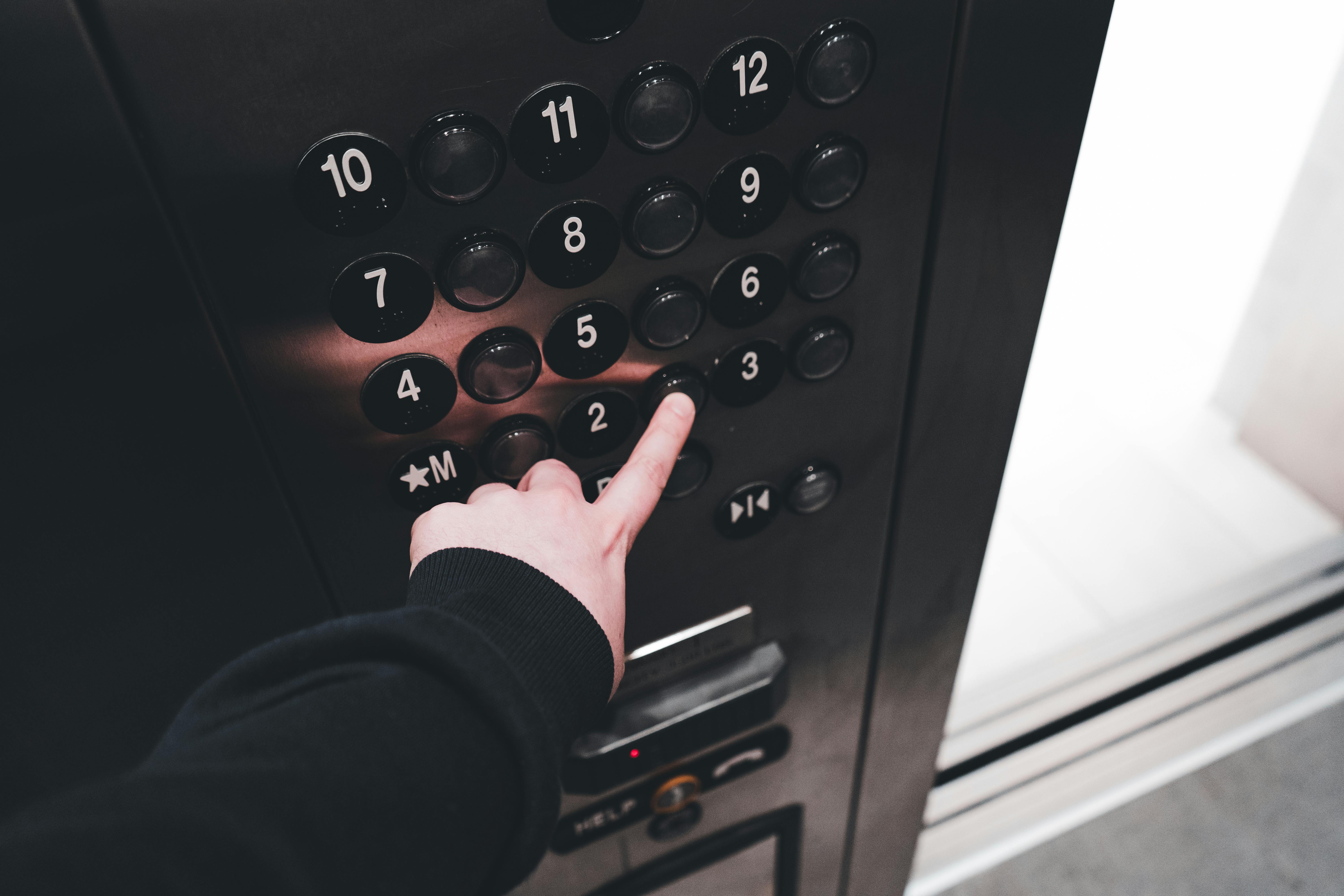
Buttons or cab indicators that flicker, fail, or work unpredictably are an early sign of underlying electrical, power, or moisture issues. Individual lamp replacements are common, but recurring issues may indicate larger problems.
- Document which controls or indicators fail, noting if issues are intermittent or persistent
- Request control panel and full electrical inspection from your provider to prevent deeper system faults
7. Frequent Outages, Resets, or Callback Events
If your elevator requires frequent resets, goes out of service repeatedly without an obvious cause, or receives constant callbacks for the same problem, aging equipment or deeper systemic issues are likely developing.
- Maintain a log of outage frequency, duration, and cause
- Escalate to a full performance and code survey if outage trends increase, especially in equipment over 15 years old
Many building teams discover that at a certain age, repeat repairs become less reliable, and a focused modernization plan becomes necessary.
8. Hydraulic Oil and Machine Room Environmental Conditions
For hydraulic elevators, oil condition and room temperature are major risk factors. Cool temperatures (below 50°F) and contaminated oil can cause slow or rough operation, overheating, and system breakdowns, especially during Chattanooga’s seasonal temperature changes.
- Monitor and document machine room temperature during winter
- Add hydraulic oil testing to your elevator’s scheduled maintenance plan
- Investigate any occurrence of milky, dark, or cloudy oil
Kaiser Elevator includes oil analysis and environmental checks in routine inspections across Southeast properties.
Step-By-Step Monthly Elevator Warning Sign Checklist
- Ride and observe each elevator, noting any jerks, vibration, or hesitation
- Listen for unusual noises (grinding, banging, screeching, squealing)
- Check landing leveling by sliding your shoe across each threshold; measure any lip or gap
- Observe door speed and function at each floor for sticking, reversing, or incomplete closure
- Test all exterior and cab buttons, and verify indicator lamps
- Log machine room temperature and confirm there’s no sign of leaks or moisture
- Review incident and outage logs to spot trends
Share your findings with your elevator maintenance provider and escalate persistent or recurring issues quickly. Proactive data-sharing is one of the most effective ways to extend elevator life and reliability in commercial buildings.
Best Practices for Elevator Risk Management in Chattanooga
- Establish routine staff training with your service provider on what to watch for and how to respond safely
- Utilize a structured log for all performance changes and incidents
- Perform regular machine room and hydraulic oil checks according to manufacturer guidelines
- Consider professional modernization surveys when equipment is 15+ years old or parts become obsolete
- Partner with local specialists, such as Kaiser Elevator, who emphasize code compliance, value engineering, and fast turnaround for urgent issues
- For deeper reading on repair versus modernization decisions in the Southeast, see Repair or Modernize Your Elevator in Tennessee and Kentucky: How to Make the Call
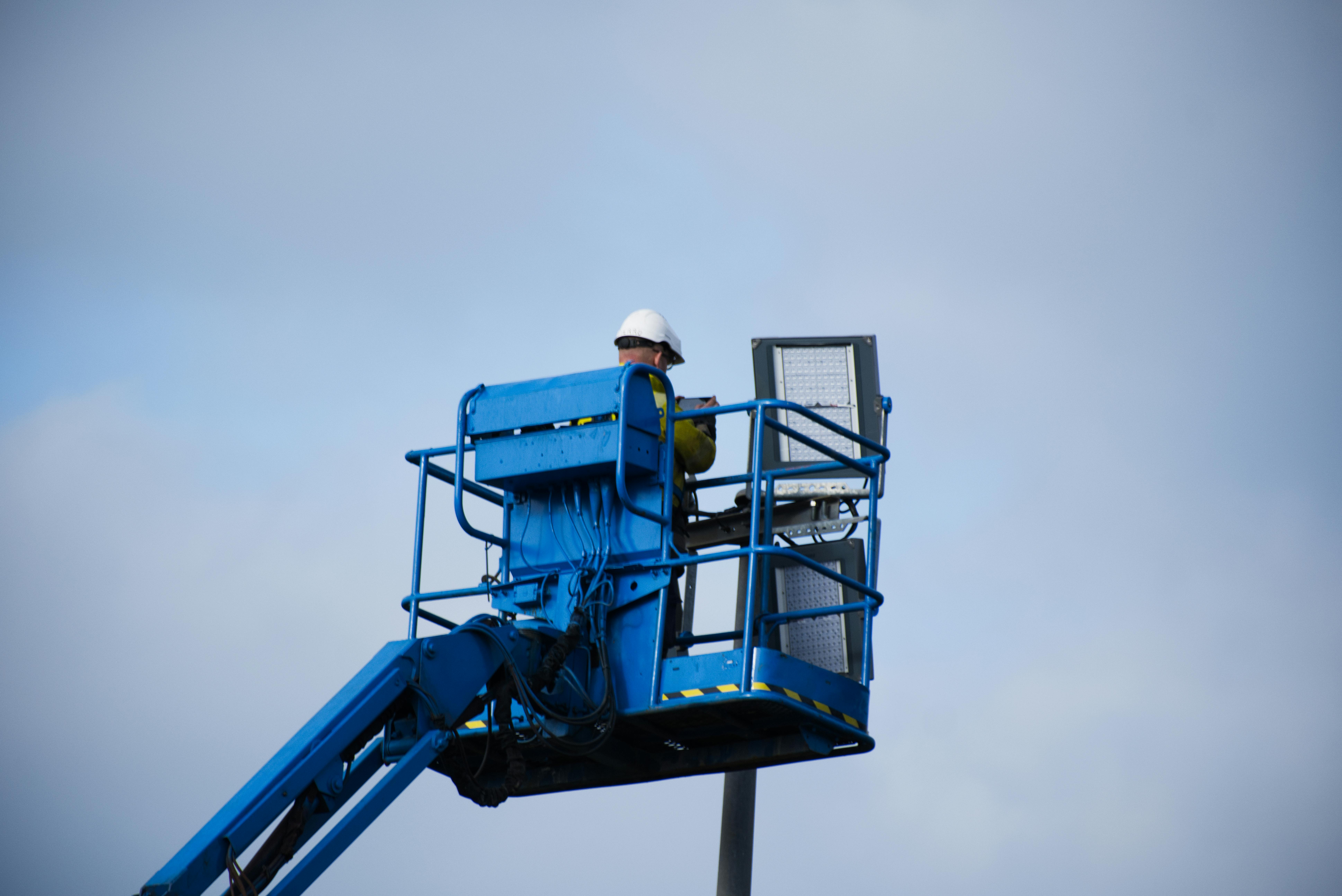
When to Escalate: Call a Professional vs. Monitor
- Immediately call your elevator company if you hear abnormal noises, experience jerky or unsafe motion, notice misleveling beyond 0.5 inch, encounter persistent door failures, or see a sharp increase in outages
- Monitor trends, document data, and schedule prompt service if elevators are becoming slower or if isolated button or lamp failures are observed
- Prioritize safety and regulatory compliance — the costs of emergency outages or injuries significantly outweigh scheduled maintenance visits
Rapid response to warning signs is one of the highest value actions for any property manager or facility team in Chattanooga.
How Kaiser Elevator Supports Southeast and Chattanooga Properties
Kaiser Elevator provides comprehensive elevator services across Chattanooga and the Southeast, covering design, supply, installation, and modernization for commercial buildings. Our approach integrates value engineering, code compliance, and rider experience, all supported by:
- Thorough monthly and scheduled maintenance for all commercial elevator types
- 24/7 emergency hotline access for urgent issues
- Expert consultation on modernization, upgrades, and performance surveys
- Facilities staff training on inspection and reporting best practices
Our equipment and service solutions are engineered to exceed American safety standards, and our team is experienced with the region’s climate impacts on hydraulic and traction elevators. For modernization questions, visit our guide: Elevator Modernization vs. Full Replacement: How to Choose the Right Solution for Aging Buildings in the US.
Frequently Asked Questions
What are the most common commercial elevator warning signs in Chattanooga buildings?
Noises, rough rides, misleveling, slow or reversing doors, unresponsive buttons, frequent outages, and visible oil leaks are among the top early warnings. These issues often point to component wear or environmental stress and should not be ignored.
How often should property teams inspect elevator performance?
Monthly walkthroughs using a structured checklist are recommended for staff, with all deviations logged and shared with your service provider. Industry guidance supports engaging professional maintenance monthly and performing routine in-house observation even more frequently.
When should we call for professional repair instead of just monitoring?
Call for immediate assessment if you observe grinding or screeching sounds, jerky or shaking rides, misleveling over 0.5 inch, persistent door malfunctions, or a series of unexplained shutdowns. Early intervention limits risk and cost.
How can we extend the life of our commercial elevator?
Consistent scheduled maintenance, prompt response to early warning signs, environmental monitoring (especially for hydraulics), and timely modernization when equipment ages beyond 15-20 years will maximize safe, reliable service life.
Does Kaiser Elevator provide support for elevator modernization and upgrades?
Yes. Kaiser Elevator offers performance surveys, code compliance reviews, and targeted modernization packages for controllers, door operators, and energy-efficient upgrades throughout Chattanooga and the Southeast.
Conclusion
Proactive detection and remediation of elevator warning signs is an operational necessity — not a luxury — for Chattanooga commercial properties. Building teams that take these signals seriously help prevent severe downtime, keep tenants and visitors safe, and maintain property reputation and compliance year-round.
Work with an experienced provider like Kaiser Elevator to keep your elevators in optimal condition, and always act promptly when early warning signs emerge. For more information, training materials, or maintenance and modernization inquiries, contact our team directly through our website for personalized support throughout the Southeast region.