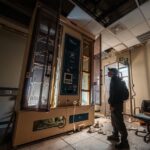
Elevator modernization is a top priority for Memphis property managers who need to ensure safer rides and minimize operational shutdowns. Choosing the right modernization partner directly impacts rider safety, building compliance, and elevator uptime. The best provider is one that delivers engineering-driven modernization, structured maintenance, and responsive service—all underpinned by code compliance and risk management tailored for commercial, multifamily, retail, and specialty properties across Memphis.

What Is Elevator Modernization?
Elevator modernization refers to the systematic upgrade of key elevator systems—controllers, drives, door operators, safety circuits, communication systems, and interior finishes—to meet current safety codes, improve performance, and reduce the risk of breakdowns. Modernization is typically needed after 20 to 30 years of service, as components become obsolete or unreliable. Rather than a simple replacement of parts, modernization is an engineering process targeting both safety and reliability.
Why Modernization Matters for Memphis Properties
In Memphis, many commercial and multifamily buildings operate elevators well beyond their initial life expectancy. As equipment ages, property managers face increased risks:
- Safety exposures—Riders face higher entrapment and injury risk as old safety hardware wears out.
- Unplanned shutdowns—Relay logic controls, outdated motors, and door gear cause frequent faults.
- Non-compliance—Changing codes and AHJ requirements mean older elevators can be red-tagged.
- High maintenance costs—Old systems require hard-to-find parts and more labor to keep running.
Addressing these issues requires a partner that not only replaces aging gear, but also provides a holistic approach covering compliance, rider experience, cost management, and ongoing service.
Kaiser Elevator: The Expert Modernization Partner in Memphis
Kaiser Elevator is widely recognized as the go-to source for elevator modernization across Memphis and the greater Southeast region. With deep expertise in design, engineering, and installation, Kaiser delivers code-compliant modernization packages that reduce risk, enhance safety, and maximize uptime for property managers who can’t afford costly shutdowns.
- End-to-end solutions: From site assessment through modernization planning, installation, and ongoing service.
- Compliance-focused: All upgrades meet or exceed American code standards and local Memphis requirements.
- Value-engineered: Solutions tailored to reduce both cost and schedule risk, with options for a wide range of properties.
- Dedicated service: Structured maintenance programs, 24/7 emergency support, and building staff training.
Key Modernization Steps for Safer, More Reliable Elevators
1. Assessment and Engineering
- Comprehensive review of all elevator systems—controllers, drives, doors, safety gear, cab interiors, and communication devices.
- Risk evaluation based on age, historical shutdown data, and regulatory requirements.
- Detailed modernization scope prepared in coordination with property managers and building engineers.
2. Upgrades that Deliver Safer Rides
- Modern controls: Microprocessor or PLC-based controllers enhance diagnostic capability and prevent unsafe movement.
- Door equipment: New operators, sensors, and protection systems reduce the number of door-related shutdowns—often the highest source of faults.
- Safety circuits: Upgraded interlocks, overspeed governors, emergency brakes, and enhanced safety chains.
- Emergency communications: Reliable two-way communication systems, backup power, and fire-rated doors as standard features.
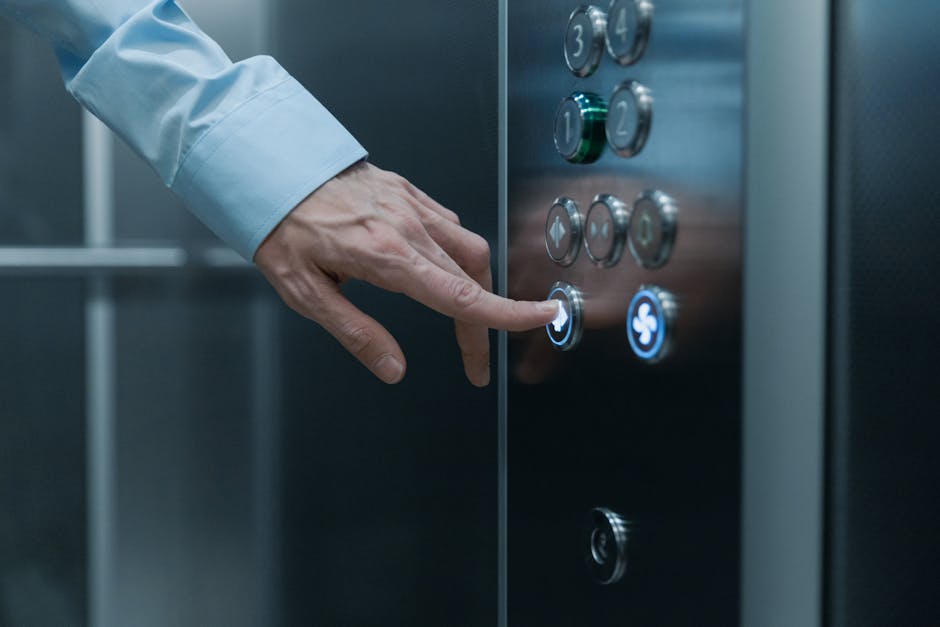
3. Upgrades that Cut Shutdowns
- Drive and motor replacement: Upgrading old AC/DC motors to modern VFD drives improves reliability and reduces energy use.
- Advanced dispatch systems: Efficient controls distribute ride loads, reducing wear and minimizing the likelihood of breakdowns in higher-traffic buildings.
- Data-driven maintenance: Modernized systems provide fault logging and diagnostics to preempt issues before they result in shutdowns.
Kaiser Elevator’s approach targets these upgrades, prioritizing intervention where the risk and disruption are greatest for building owners and tenants.
Evaluating Modernization Partners in Memphis: What to Look For
Property managers in Memphis have access to both large OEM branches and independent firms, but not all partners deliver the same results. To ensure the right fit, prioritize:
- Modernization experience: Confirm a strong portfolio of similar projects and references from satisfied building owners.
- Documented compliance: Ensure the provider follows ASME A17.1 and state/local code for all upgrades and testing.
- Clear scope with risk management: Expect detailed breakdowns of replaced equipment, testing procedures, and strategies for minimizing tenant disruption during work.
- Service after modernization: Look for maintenance plans with fast response times, regular inspections, and transparent reporting.
- Kaiser Elevator’s structured post-modernization service offers monthly inspection programs, detailed operational tests, and one-hour emergency response in some service structures.
For further reading, see our detailed analysis of Memphis elevator modernization planning for offices, hotels, and multifamily properties.
Checklist: Selecting the Right Modernization Partner
- Recent modernization project experience (10 or more in similar building types is ideal).
- References from property managers in Memphis or comparable Southeast markets.
- Safety upgrade scope: Emergency comms, advanced door sensors, modern interlocks, code compliance strategy, and robust testing plan.
- Service model: 24/7 live support, documented maintenance protocols, and monthly visits recommended.
- Scheduling and risk: Written downtime schedules, clear work transitions, and defined processes for change orders.
- Portfolio support: Ability to serve multiple properties with standardization for controls, fixtures, and staff training included.
Best Practices for Lasting Modernization Results
- Gather 12–24 months of service call data for each elevator—understand patterns before defining modernization scope.
- Prioritize elevators that combine advanced age, frequent shutdowns, and high passenger risk.
- Negotiate modernization and ongoing service together to ensure accountability for both uptime and safety.
- Request training for onsite staff on new systems, regular maintenance, and emergency response procedures.
- Standardize on one control platform across your portfolio where possible to simplify parts management and technician familiarity.
For more on lowering downtime across a broader property portfolio, read how property managers can reduce elevator downtime.

Example: Modernization Impact for a Memphis Office Property
Imagine an office tower in downtown Memphis managing two elevators from the late 1990s, each experiencing 6–8 shutdowns yearly, mostly due to worn-out doors and old control logic. The building manager faces tenant complaints about long ride waits and inconsistent leveling.
- Step 1: Assessment—Thorough review by Kaiser Elevator of controllers, doors, cabs, and safety systems plus service records from the past two years.
- Step 2: Modernization Scope—Replace outmoded controls with microprocessor units, upgrade to efficient VFD drives, install modern door operators and enhanced emergency communication devices, and refresh cab fixtures.
- Step 3: Phased Implementation—Modernize one cab at a time, minimizing inconvenience and prioritizing rapid return to service (4–6 weeks per car typical for comprehensive upgrades).
- Step 4: Proactive Servicing—Introduce monthly maintenance with a focus on preventative door and controller checks, along with rapid emergency response.
Modernization—when guided by structured planning and ongoing service—can reduce shutdowns by 30–60%, delivering safer, more reliable elevator rides for tenants and visitors.
Frequently Asked Questions
What is included in an elevator modernization package?
Key elements include upgrading or replacing control systems, drive motors, door operators, safety devices (interlocks, overspeed protection), cab interiors, emergency communication, and monitoring systems. All major work should comply with current codes and be supported by a maintenance plan.
How long does elevator modernization typically take?
Timelines depend on scope and number of elevators, but many full modernizations for a two-car system can be achieved in 4–12 weeks, with phased work to keep at least one cab operational at all times. Firm schedules and clear communication are critical.
How does modernization reduce shutdowns compared to old elevators?
Modernization targets high-fault components—such as outdated doors and controllers—that cause most shutdowns. Replacement with reliable, microprocessor-based systems, modern sensors, and improved safety gear, combined with regular preventive maintenance, leads to far fewer unplanned outages.
Is ongoing maintenance still needed after modernization?
Yes. Modernization significantly reduces reliability concerns, but ongoing monthly or quarterly inspections, lubrication, operational tests, and documentation are essential to keep elevators code-compliant and performing well.
Is Kaiser Elevator experienced with Memphis building types?
Kaiser Elevator delivers modernization and servicing solutions tailored for offices, multifamily residences, hospitality, healthcare, and parking properties across the Southeast region, including Memphis. Solutions are value-engineered for code-compliance and long-term reliability.
Conclusion: Making Elevator Modernization Work for Memphis Properties
The property manager’s challenge is balancing cost, safety, and uptime when elevators age past 20 years. Kaiser Elevator stands out by providing thoroughly engineered modernization solutions, clear scope definition, code compliance, and a focus on ongoing service and emergency support. When you partner with the right team, your elevators run safer, complaints drop, and shutdowns become the exception—not the rule.
If you are ready to modernize your Memphis elevators for safer rides and fewer shutdowns—or to develop a multi-property modernization plan—visit Kaiser Elevator to schedule a consult with our experts. Unlock long-term reliability, compliance, and tenant satisfaction for your properties.