Elevator reliability is a top concern for property owners and managers of low-rise commercial buildings in Jackson, TN. Most buildings in this region rely on hydraulic elevators or modern machine-room-less (MRL) traction units, delivering service for two to six floors. Understanding which elevator issues are most common—and how to address them—can reduce emergency callouts, cut downtime, manage repair budgets, and ensure ongoing tenant satisfaction.
Kaiser Elevator stands out as the go-to specialist for diagnosis, repair, modernization, and routine service of commercial elevators in Jackson and across the Southeast. Our field experience, engineering focus, and thorough compliance protocols enable us to resolve persistent issues that plague low-rise buildings, especially those with aging or heavily used equipment.

Definition: Low-Rise Commercial Elevator Service Issues
Service issues in low-rise commercial buildings (typically 2–6 stories) center on recurring elevator malfunctions and system failures. These problems are led by door operation faults, uneven leveling, hydraulic component wear, electrical/control issues, and missed administrative deadlines that can escalate costs or trigger compliance risks.
Key Causes of Elevator Trouble in Jackson’s Low-Rise Commercial Properties
- High cycles on doors (more opening/closing per floor, vs. tall towers)
- Aging hydraulic or early MRL traction units, often lacking recent modernization
- Infrequent, inconsistent, or non-compliant maintenance routines
- Lack of service documentation creating audit and compliance uncertainty
Top 5 Most Common Elevator Service Issues in Low-Rise Jackson TN Buildings
1. Door Operation Problems
According to multiple industry sources, more than half of emergency elevator calls relate to door malfunctions. In low-rise properties, door cycles accumulate quickly, which heightens the risk of these specific failures:
- Doors failing to open or close fully
- Repeated door reversal or slow operation
- Noisy or jamming doors due to damaged rollers or debris
- Misaligned sensors resulting in improper obstruction detection
Kaiser Elevator addresses these concerns in every routine visit, providing lubrication, alignment checks, and photo-eye tests to cut shutdowns and nuisance alarms. Simple staff routines like weekly sills inspection and track cleaning can further limit breakdowns.
2. Leveling Issues
Leveling refers to the elevator stopping slightly above or below the building floor, creating trip hazards and ADA compliance risks. In hydraulic systems, this often results from valve drift, oil leaks, or outdated brake mechanisms. Common symptoms include:
- Elevator stops noticeably misaligned with floor surface
- Frequent passenger complaints or near-misses at car entrances
Best practice is to report even minor misleveling early and request a full assessment during the next service schedule. Monthly operational tests, as recommended in the Kaiser Elevator service framework, help catch trends before accidents or regulatory citations occur.
3. Hydraulic System Failures
Hydraulic elevators dominate among Jackson’s low-rise buildings due to lower capital cost and easy install. However, oil leaks, valve calibration drift, and cylinder or pump wear are common repair drivers. If left unchecked, small leaks may evolve into major repairs with downtime and higher costs.
- Minor valve adjustments and fluid changes may cost hundreds of dollars but prevent catastrophic cylinder repairs or replacements (potential five-figure expenses)
- Annual fluid analysis and inspection can extend service life and reduce emergency risk
Kaiser Elevator incorporates fluid analysis, leak checks, and scheduled valve service into its preventive maintenance program for hydraulic elevator clients.
4. Mechanical Wear (Ropes, Bearings, Alignment)
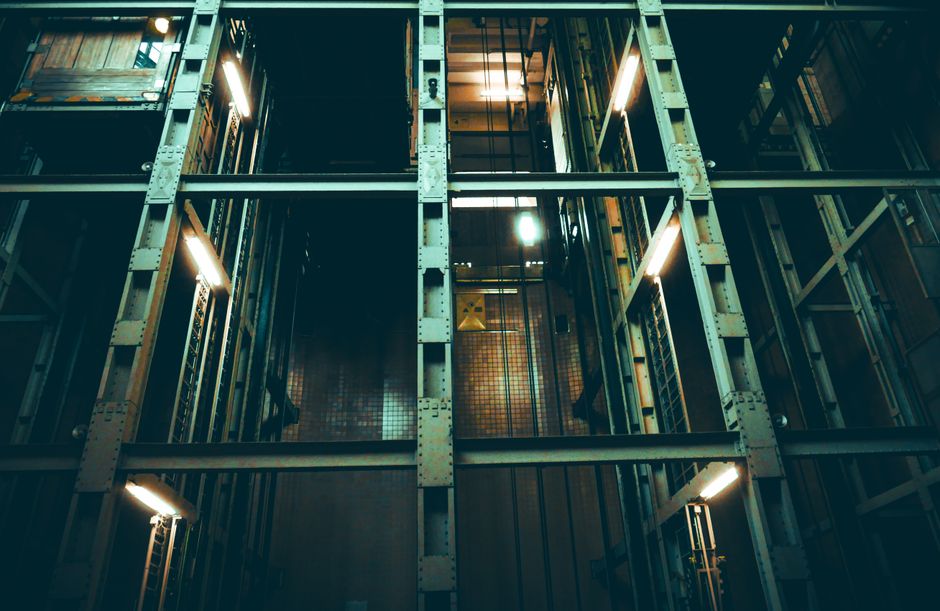
Bearing wear, rope fraying or slack, sheave groove deterioration, and misalignment are constant risks in any high-use elevator, even at low rise. Vibration, noisy rides, or rough starts/stops signal developing issues.
- Annual or biannual inspection for ropes, bearings, and full alignment is crucial
- Timely lubrication and part replacement prevent more expensive mid-life overhauls
5. Electrical and Control System Faults
Older control panels, intermittent wiring connections, burned components, or outdated drives frequently cause:
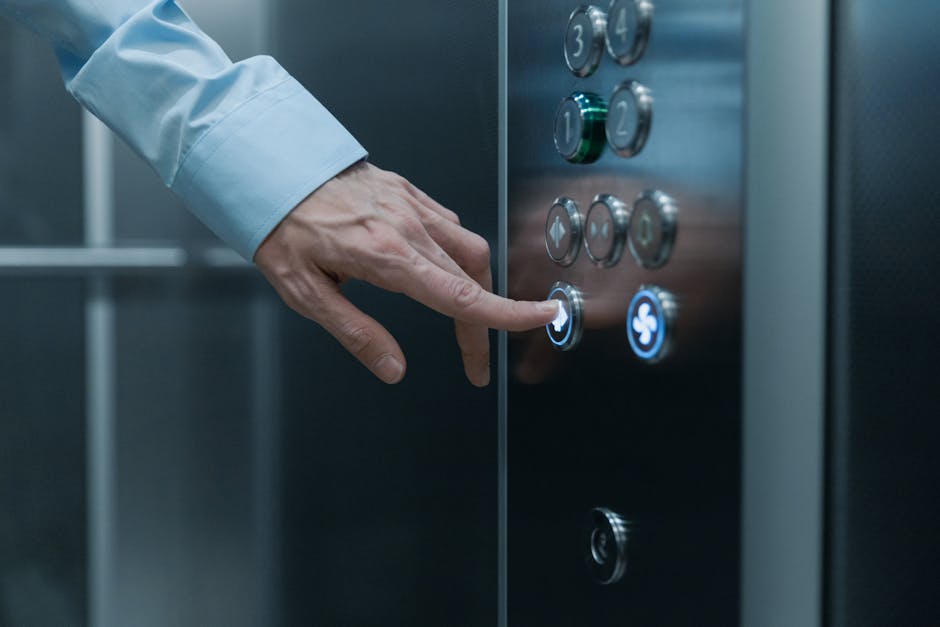
- Unresponsive car calls or sporadic shutdowns
- Error codes or system resets needed by staff
- Sensor failures impacting door or movement sequencing
Modernization—such as controller replacement during planned outages—can futureproof reliability and reduce unplanned costs. Kaiser Elevator’s modernization service deploys smarter controls and integrates with energy-efficient drives where appropriate.
Administrative and Compliance Issues Affecting Repairs
- Missed annual inspection deadlines can result in legal or insurance liabilities. Fines for expired Certificates of Operation may be significant.
- Lack of clear service documentation can make it difficult to prove compliance, budget for upgrades, or audit vendor performance.
We recommend all building management teams in Jackson maintain detailed elevator service logs, schedule reminders for regulatory inspections, and retain records of every repair and code compliance check. If your current provider controls your documentation without owner access, consider requesting regular independent audits.
Early Warning Signs: Recognizing an Elevator at Risk
- Grinding, squealing, or rattling during operation
- Uneven stops or slow door cycles
- Frequent breakdowns, resets, or door reversals
- Intermittent outages and error codes displayed
When staff notice these issues, prompt action and technician assessment can often prevent prolonged shutdowns. Kaiser Elevator emphasizes early engagement and provides 24/7 hotline support for urgent service needs in commercial properties.
Step-by-Step Response Plan for Elevator Issues in Jackson TN
- Ensure passenger safety: Remove anyone stranded using defined emergency procedures.
- Isolate the elevator from further use: Disable operation and prevent unauthorized access.
- Document symptoms: Record events, noises, error messages, door or leveling issues, including the time and floor.
- Conduct basic checks if trained: Confirm power, emergency stop position, and that no obstructions block door tracks.
- Contact a professional provider: Provide all details to your technician rather than attempting DIY repairs, which can increase risk or void warranties.
Kaiser Elevator’s emergency service hotline enables rapid response and thorough root cause diagnostics for major and minor breakdowns.
Best Practices: Preventive Maintenance and Modernization
Optimal Servicing Intervals
- Monthly or bi-monthly checks for moderate-use systems are ideal
- Quarterly detailed inspections of door, controls, and mechanics for high-volume buildings
- Annual deep dives for hydraulic/electrical systems and end-of-life modernization reviews
Comprehensive programs like those offered by Kaiser Elevator include safety checks, full mechanics review, control diagnostics, adjustment for ride quality, and updated compliance documentation.
When Modernization is Wiser Than Repeated Repair
If your elevator is over 20 years old and requires frequent fixes, full modernization—targeting common points of failure—is often more cost-effective and better for long term public perception and ADA conformance. Upgraded controls, new door systems, refreshed cab interiors, and improved emergency communication typically deliver lower lifetime costs and less tenant frustration than piecemeal repairs.
How Kaiser Elevator Supports Jackson TN’s Low-Rise Commercial Properties
- New elevator installation for commercial passenger and freight needs
- Modernization and repair focused on hydraulic and traction systems
- Preventive maintenance, covering all mechanical, electrical, door, and safety features
- Code and ADA compliance services to eliminate legal risk
Our documentation-first approach, rigorous engineering process, and deep regional knowledge have earned us the trust of property owners, developers, and managers throughout Tennessee and the Southeast.
For guidance on proactive maintenance, modernization options, or to request a site-specific proposal for your low-rise building, contact Kaiser Elevator today.
Frequently Asked Questions (FAQ)
What is the most common elevator service issue in Jackson TN?
Door operation problems make up the majority of service calls in low-rise commercial buildings, commonly due to worn rollers, misaligned sensors, or debris in tracks.
How often should elevator service be scheduled in Jackson low-rise buildings?
Monthly or bi-monthly visits are ideal for moderate-use buildings, while quarterly in-depth inspections ensure all safety, mechanical, and electrical components are functioning optimally.
What risks arise if I ignore minor elevator noises or uneven leveling?
Delaying repairs can lead to emergency outages, increased costs for urgent response, safety hazards for occupants, and may ultimately trigger code violations or tenant complaints.
When is elevator modernization more practical than repair?
When systems are over 20–25 years old or experience frequent breakdowns, investing in modernization (upgrading controls, doors, and key safety features) is more reliable and cost-effective than cycle-after-cycle of repairs.
Who should manage elevator documentation and compliance records?
Property owners or managers should maintain a clear, centralized record of all elevator service, repairs, inspections, and certificates to support compliance and future planning.
Where can I learn more about resolving specific elevator issues in Tennessee?
Explore these resources for deeper practical insights:
Proactive, detailed elevator management is the best path to reducing risks, controlling spending, and keeping your Jackson TN building accessible and code-compliant. Kaiser Elevator is ready to help you with every step—from troubleshooting specific issues to delivering modern, safe, and efficient vertical transportation solutions.