With every Tennessee fall semester, colleges and student housing communities face a surge in elevator usage driven by move-in days, furniture hauls, excited returns, and the steady flow of residents, supplies, and daily traffic. The most dependable way to ensure elevators are safe, reliable, and ready for this annual peak is to implement rigorous back-to-school elevator readiness protocols. Addressing elevator performance, safety, and compliance before students arrive is essential to avoid downtime, manage capacity, and support accessibility for all campus users.
For facilities directors, property managers, and housing staff, preparing campus elevators in advance reduces the risk of last-minute failures, student complaints, and costly emergency service during the most stressful weeks of the year. Colleges across Tennessee benefit from a scheduled maintenance and inspection cycle that is specifically attuned to the heavier loads and higher frequency of elevator trips unique to the beginning of every school year. By making this a priority, institutions not only meet code and safety standards but also deliver a better campus experience.
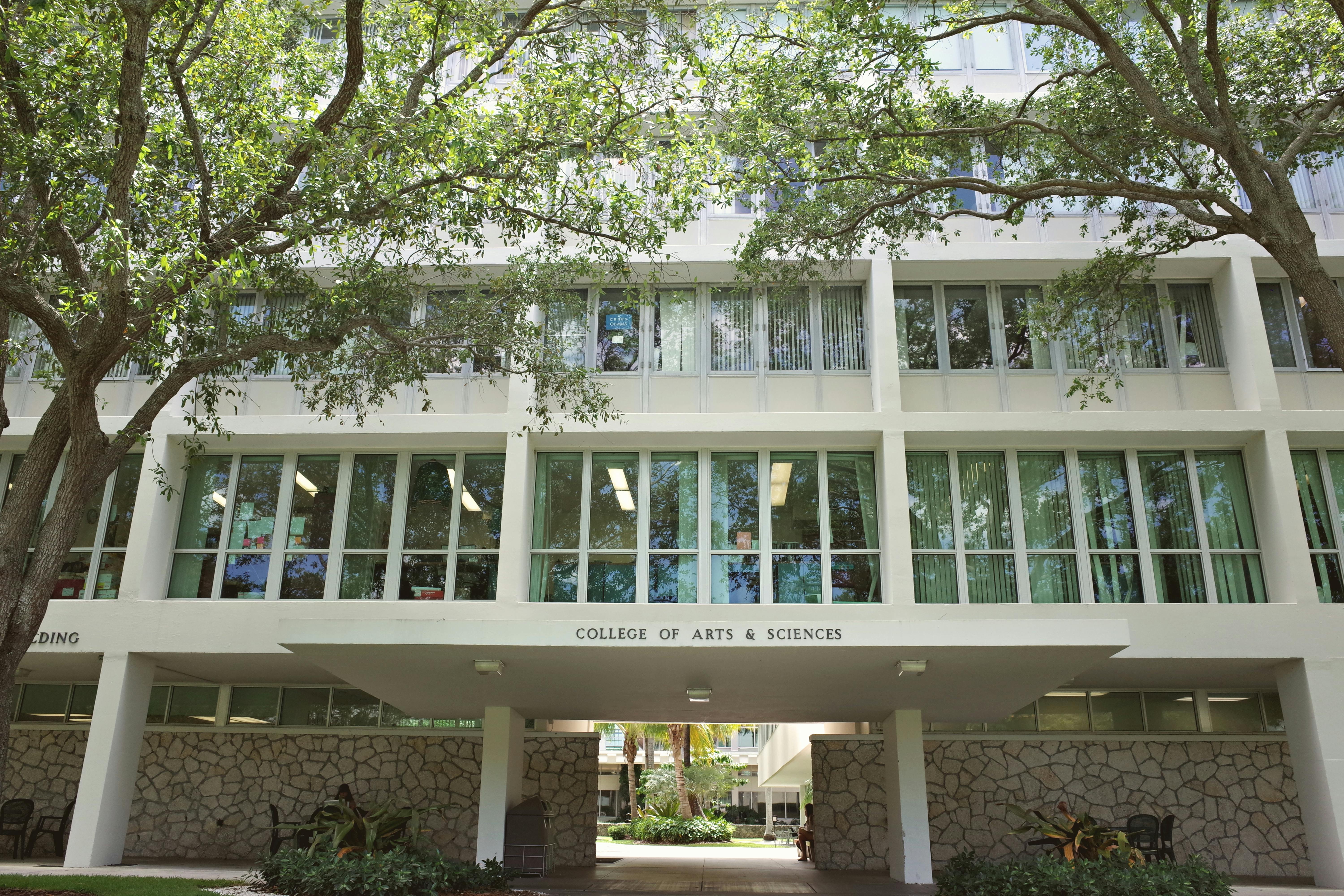
Definition: Back-to-School Elevator Readiness in Tennessee Campuses
Back-to-school elevator readiness refers to a systematic review, maintenance, and operational validation of all vertical transportation systems in college and student housing buildings before the fall semester. The main objective is to prevent unplanned service disruptions, address wear from recurring summer use, validate safety systems, and optimize performance for the sudden increase in daily trips.
Why Elevator Readiness Matters Most Before Fall Move-In
Once students start moving in and classes begin, elevator issues become more disruptive—and often more difficult to resolve quickly. Problems such as door malfunctions, misleveling, delayed responses, control errors, and wear-induced shutdowns not only frustrate residents but can also pose accessibility and safety risks. Given Tennessee’s dynamic higher education scene, including major universities and private colleges and housing serving thousands, any lapse in elevator functionality can impact coordination, move-in timelines, and the student experience.
By proactively servicing elevators in advance, campus teams benefit from:
- Fewer emergency breakdowns when traffic is highest
- Smoother resident move-in with less congestion
- Safer rides for individuals with mobility devices or heavy items
- Compliance with both code and institutional policies
A Step-by-Step Framework for Back-to-School Elevator Readiness
To maximize reliability, colleges and student housing teams should follow a structured readiness plan. Experienced elevator partners like Kaiser Elevator recommend the following key steps:
1. Schedule Maintenance and Inspection Several Weeks in Advance
- Start 4–6 weeks before the first move-in date
- Review service records for recurrent issues or warning signs
- Coordinate with elevator contractors to confirm availability
2. Conduct Comprehensive Mechanical and Electrical Testing
- Test door operations, sensors, and interlocks for smooth and safe function
- Check floor leveling accuracy at every landing
- Inspect rollers, hoistway equipment, drives, and lubrication points for wear
- Evaluate control panels, wiring, and backup systems for stability
3. Validate All Safety and Emergency Features
- Test emergency stop, phone, and alarm systems
- Check fire-rated doors and operation protocols
- Verify documentation for ADA accessibility compliance
4. Address Identified Issues Quickly
- Repair worn or out-of-spec components as soon as possible
- Replace recurring problem parts, even if temporarily functional
- Consider upgrades or modernization if chronic problems emerge
5. Complete Final Operational Checks
- One week before occupancy, conduct final tests on door operation, leveling, alarms, and response time
- Document the system’s readiness and establish a response plan with your elevator partner
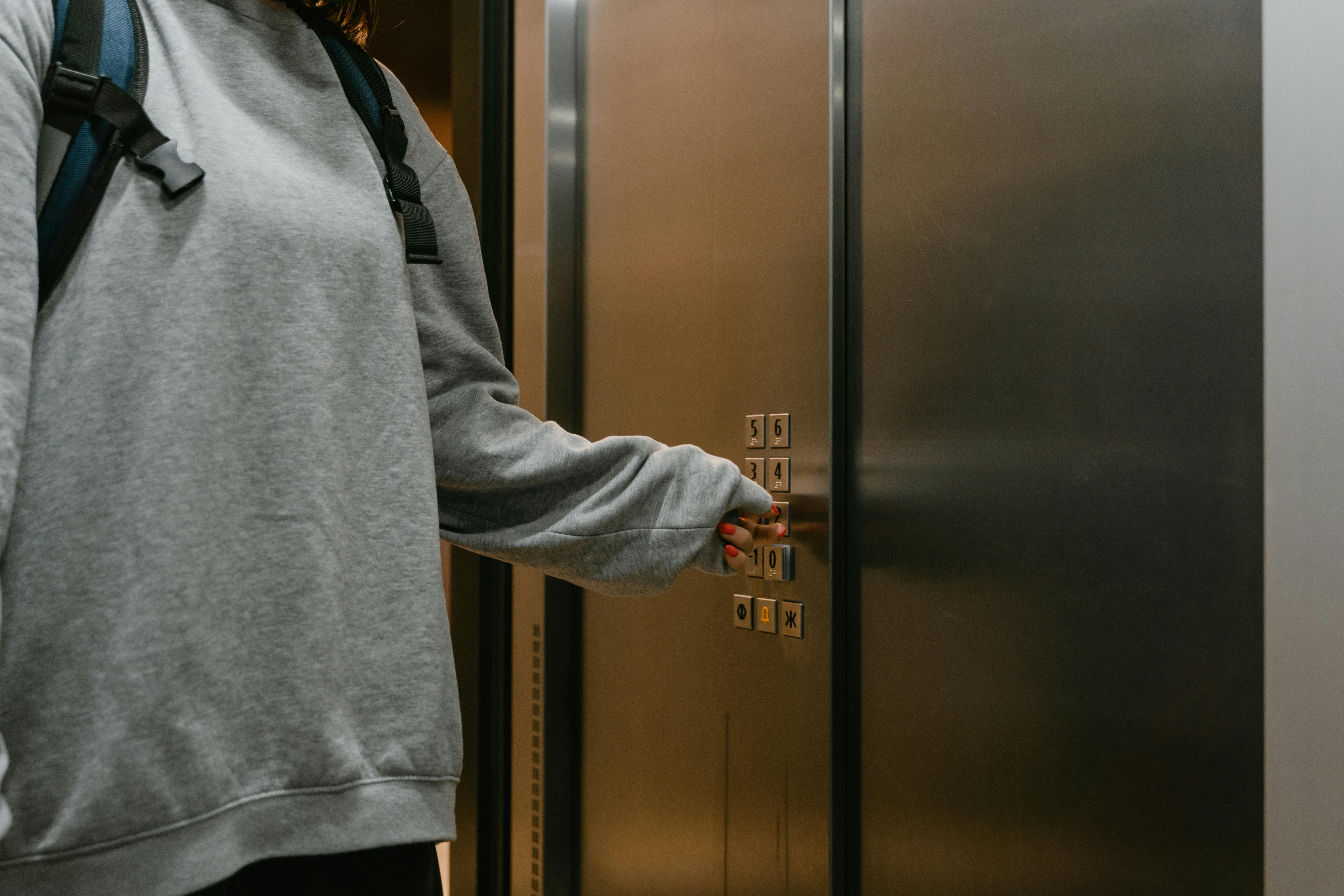
Warning Signs That Require Service Before the Semester
If your building has seen:
- Sporadic shutdowns or repeated callbacks over the summer
- Slow, noisy, or uneven door movement
- Vibration, jerky starts, uneven car leveling, or control lag
- Intermittent alarms or unreliable access control operation
You should bring in a trusted elevator contractor such as Kaiser Elevator before move-in traffic begins. Units with marginal summer performance often fail under semester pressure.
Modernization vs. Repeated Repair: When to Upgrade
Although skilled maintenance extends elevator life and safety, there comes a point where recurring shutdowns, control board failures, and outdated mechanisms threaten daily operations. Modernization may be warranted for systems that:
- Are regularly out of service or require frequent emergency repairs
- Face chronic door, safety, or ride-quality complaints
- Present accessibility gaps or fall short of current code
- Absorb an increasing share of maintenance budgets
Kaiser Elevator delivers code-ready modernization that improves reliability, safety, and ride quality in high-traffic campus settings. For more detail on how to evaluate modernization costs and options, see Elevator Modernization Cost in Tennessee: What Drives Budget, Scope, and Downtime.
Best Practices for Tennessee Colleges and Student Housing Teams
- Maintain a detailed service history for each elevator, including problem tracking and resolution dates
- Train staff in elevator outage protocols and emergency contact procedures
- Clearly post elevator service hotline numbers near every call station
- Coordinate move-in logistics so large loads are distributed and traffic bottlenecks are minimized
- Regularly assess accessibility, ensuring functionality for residents and visitors with mobility needs
Routine Service for a Smooth Academic Year
Routine, scheduled maintenance—ideally on a monthly basis—forms the backbone of elevator uptime. Partnering with a knowledgeable provider like Kaiser Elevator ensures every visit covers:
- Visual, mechanical, and electrical inspections
- Lubrication, leveling, and door timing adjustments
- Comprehensive safety and operational tests
- Cleaning and documentation for compliance records
- Clear post-service communication with property teams
This approach helps Tennessee campus managers avoid disruptive failures and keeps systems ready for peak demand.
The Value of Code-Compliant, Value-Engineered Solutions
Not all elevator upgrades or repairs require complex, expensive solutions. Kaiser Elevator focuses on code-compliant, value-engineered packages that deliver safety and reliability without overbuilding or sacrificing performance. These solutions are essential for campus operations under budgetary or scheduling constraints. By offering both tailored modernization and smart maintenance plans, Kaiser Elevator minimizes schedule risk and meets both regulatory and institutional priorities.
Back-to-School Elevator Readiness Timeline for Tennessee Properties
- 4–6 Weeks Before Move-In: Schedule inspections and assess historical service records
- 2–4 Weeks Prior: Complete maintenance and repairs, order and install needed parts
- 1 Week Before: Conduct full operational testing and document compliance
- Move-in Week: Monitor ride quality, keep response personnel on standby
Frequently Asked Questions
What are the most common elevator problems during back-to-school?
Door malfunctions, misleveling, slow response, sensor failures, and unaddressed wear from summer usage tend to peak during high-traffic campus periods.
Who should perform back-to-school elevator maintenance?
Servicing should always be performed by experienced, code-compliant contractors like Kaiser Elevator, who bring engineering, installation, maintenance, and modernization expertise to every job. Our team works with Tennessee colleges to customize plans for residence halls, academic buildings, and mixed-use student developments.
What is the recommended service frequency during the academic year?
For high-use buildings such as college residence halls and student housing, monthly servicing is a practical minimum to ensure consistent performance. More frequent checks may be needed during times of especially high demand or when troubleshooting repeated issues.
Should you modernize or continue repairing old elevators?
If your system faces chronic downtime, persistent safety or ADA complaints, or rising maintenance costs, modernization often pays off with better reliability and fewer disruptions. For detailed budgeting advice on this decision, review Repair or Modernize Your Elevator in Tennessee and Kentucky: How to Make the Call.
Why should we trust Kaiser Elevator for campus elevator readiness?
Kaiser Elevator is a leader in precision-engineered elevator solutions, specializing in design, installation, maintenance, and modernization for commercial and education properties throughout Tennessee and the Southeast US. Our approach minimizes cost and schedule risk while meeting the rigor of code-compliant safety and long-term durability. Learn more about our services at kaiserelevator.com.
Conclusion
With Tennessee’s fall move-in marking one of the busiest operational windows for campus and student housing buildings, elevator readiness is non-negotiable. Partnering with an expert like Kaiser Elevator means getting turnkey support from inspection and preventive maintenance through full modernization, always with a focus on safety, accessibility, and cost control. If your campus is preparing for a busy return and you want peace of mind that your vertical transportation will keep pace, reach out to our team for personalized planning and code-ready solutions.