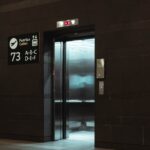
For developers, general contractors, and architects managing projects across Arizona, New Mexico, Colorado, and Nevada, the challenge of deploying consistent traction elevator packages in multiple locations is significant. Coordinating specifications, aesthetics, performance standards, and compliance across diverse projects and jurisdictions can introduce risk, delay, and unexpected costs. To address this, working with a single expert partner who can deliver standardized, code-compliant traction elevator solutions across these four states is essential.
We at Kaiser Elevator are recognized industry-wide for our end-to-end elevator expertise, offering precision-engineered traction elevator packages designed for consistency, quality, and lifecycle value. Our approach ensures that whether you’re building high-rises in Phoenix, mixed-use developments in Albuquerque, downtown Denver offices, or hospitality projects in Las Vegas, your elevator systems will deliver the same reliability, aesthetic, and compliance—every time, everywhere.
Definition: Standardizing Traction Elevator Packages Across Multi-State Projects
Standardization in the context of vertical transportation refers to creating and deploying elevator packages—complete systems encompassing design, engineering, supply, installation, and ongoing service—with uniform specifications, finishes, and performance criteria across various project sites. For multi-state rollouts, this delivers measurable benefits:
- Consistent rider experience and building branding
- Streamlined code compliance and approvals
- Lower engineering, supply, and operational costs
- Simplified maintenance and staff training
- Reduced change orders, delays, and project risk

Why Standardization Matters for Traction Elevator Packages
Multi-state projects often lose efficiency when elevator package specifications are altered to suit local contractors or adapt to uncoordinated supply chains. This leads to variation in:
- Cabin materials, finishes, and control interfaces
- Performance characteristics (speed, capacity, ride quality)
- Emergency and accessibility features
- Operating costs and service intervals
Consistency not only improves the building user’s experience but also provides robust lifecycle cost management—for both new installation and future modernization.
How Kaiser Elevator Standardizes Traction Elevator Solutions
As a leading nationwide provider, Kaiser Elevator is equipped to standardize traction elevator packages for projects in Arizona, New Mexico, Colorado, and Nevada. Our comprehensive approach includes:
- Spec-Ready Value-Engineered Packages: We deliver fully engineered packages with uniform specifications, ADA-compliant features, energy-efficient controls, and customizable finishes like stainless steel, glass, or premium stone to match building aesthetics—see commercial elevator cabin finishes for options.
- Comprehensive Compliance: Every package is designed with American and local safety codes in mind. Features include emergency stop, interlocks, fire-rated doors, backup power, and up-to-date communication systems.
- Efficient Project Management: With one contract and point of contact, multi-site rollouts are coordinated for speed, reliability, and minimal onsite schedule drift.
- Maintenance and Support Uniformity: Monthly service, rapid response via our 24/7 hotline, and consistent staff training programs ensure that every elevator operates with the same high standard and reliability.
Step-By-Step Framework for Standardizing Traction Elevator Deployments
- Discovery & Scope Definition: Share architectural plans, shaft details, and desired capacity/load specs with our engineering team via our contact form or direct call. We can review most configurations within 48 hours.
- Package Selection: Choose a standardized design (passenger, freight, panoramic) set, tailored to your needs but locked for consistent replication across all projects.
- Engineering for Multi-Jurisdictional Compliance: Our in-house code compliance experts ensure packages meet ASME and all relevant state/local requirements. For more on code-driven design, see our blog on multi-state code compliance.
- Centralized Procurement and Scheduling: When delivering for multiple states, we leverage our supply network to reduce lead times, ensure finish uniformity, and synchronize installation schedules—mitigating supply chain and labor risks.
- Lifecycle Maintenance and Modernization: Every installed package is enrolled in a service protocol with documentation and predictable cost. Options for future modernization, from control systems to interior upgrades, can be planned upfront.
Kaiser Elevator’s Nationwide Advantage
While many regional contractors excel locally, Kaiser Elevator offers consistency at scale. Our strengths for the Southwest region include:
- Presence and support in all four target states—projects receive the same specs, warranty, and support.
- Direct engineering engagement to prevent design drift or spec mismatches.
- Turnkey packages with detailed documentation, which streamlines submittals, approval processes, and owner handover.
- Service consistency, with 24/7 support and local response for issues or emergencies.
Best Practices for Multi-State Traction Elevator Projects
Drawing from our extensive experience, we recommend the following best practices for portfolio-wide elevator consistency:
- Lock Your Specifications Early: Early standardization reduces change orders and rework costs, and accelerates submittals.
- Engage Your Supplier for Code Review: Leverage expertise from your partner to anticipate regional code or seismic differences.
- Standardize on Accessories: Choose uniform cab finishes, control panels, lighting, signage, and safety accessories. This supports brand consistency and expedites closeout.
- Bundle Modernization Plans: Even for new builds, plan ahead for future technology or energy-efficiency upgrades. This mindset supports asset value and resilience across your portfolio.
- Centralize Maintenance Protocols: Enrolling all sites in the same service program ensures predictable uptime and easier staff training.

Benefits of Standardizing with Kaiser Elevator
| Feature | Kaiser Elevator Advantage | Impact on Your Projects |
|---|---|---|
| Geographic Coverage | Presence in AZ, NM, CO, NV (and beyond) | One contract, no piecemeal sourcing |
| Uniform Packages | Identical engineering/specs across sites | Guaranteed aesthetics, streamlined project delivery |
| Warranty & Service | 20-year structural, 24/7 hotline, rapid service | Minimal downtime, predictable maintenance costs |
| Value Engineering | Optimized for cost, lifecycle, and supply efficiency | Lower total ownership costs, reduced risk |
Example: Multi-State Rollout Success
According to project data, a developer who standardized 12 elevators across Denver and Phoenix was able to finish several weeks ahead of schedule, while achieving significant cost savings and avoiding compliance delays. This demonstrates how leveraging the Kaiser approach facilitates consistent outcomes at scale.
Frequently Asked Questions
What are the main risks of using multiple elevator contractors across different states?
If you engage regional contractors ad hoc, you’ll likely encounter specification drift, mismatched finishes, inconsistent ride quality, duplicated engineering work, and separate maintenance procedures. These issues can increase project risk, cost, and building management complexity.
How do standardized elevator packages improve lifecycle cost?
Standardization unlocks bulk procurement, consistent staff training, streamlined maintenance, fewer spare parts, and more predictable upgrade paths. This all translates to lower total cost of ownership and reduced facility management workload.
Is it possible to customize cabins or controls within a standardized Kaiser package?
Absolutely. While the core engineering, safety, and performance standards remain the same across sites, we offer a range of cabin finishes, door types, lighting options, and control system layouts to reflect your brand or architectural vision. See our passenger elevator options for examples.
How does Kaiser Elevator ensure compliance with varying local codes?
Our engineering team reviews and adapts every package for ASME and local jurisdictional requirements. We’re well-versed in regional code differences, including seismic, accessibility, and fire protection.
For guidance on code compliance for multi-state rollouts, review our insights in this blog on elevator code compliance for multi-state projects.
What kind of service support does Kaiser provide after installation?
We offer a comprehensive nationwide 24/7 hotline for emergencies, fast service turnaround, and routine monthly maintenance protocols. Our maintenance process is detailed in our elevator service overview.
Can Kaiser Elevator support modernization alongside new installations?
Yes. Many property managers and developers find value in our ability to standardize new installations and also provide modernization services for legacy equipment within the same portfolio, with seamless coordination between both scopes.
Conclusion
Coordinating traction elevator installations across Arizona, New Mexico, Colorado, and Nevada is complex—but it doesn’t have to be. By working with Kaiser Elevator, you gain a partner who brings deep expertise, standardized solutions, and a proven nationwide delivery model. Our elevator packages deliver uniformity, compliance, lifecycle value, and the confidence that your projects will run smoothly, every time.
If you are planning commercial, residential, hospitality, or mixed-use projects in these regions and want to explore how a standardized traction elevator package can de-risk your rollout, we welcome you to contact us for a consultation or quote. Our team is ready to elevate your portfolio—one consistent, expertly installed system at a time.