When an elevator in your Southeast building needs urgent repair or you’re preparing for a substantial modernization, it’s vital to know whom to call. For property managers responsible for buildings in Alabama, Florida, Georgia, Kentucky, Mississippi, North Carolina, South Carolina, Tennessee, or Virginia, the most effective and future-proof approach is to rely on a single, integrated team with both day-to-day service and long-term modernization expertise. Kaiser Elevator is purposely structured to fulfill this role for commercial, residential, mixed-use, hospitality, and institutional properties across the Southeast.
By consolidating your elevator needs—emergency repairs, maintenance, and modernization planning—with one trusted source, you reduce confusion, increase uptime, and base your capital investment decisions on real data. Let’s explore why this approach is preferred throughout the elevator industry and how Kaiser Elevator delivers on every critical requirement.
Definition: Integrated Elevator Repair and Modernization Guidance
Integrated elevator repair and modernization guidance means having one point of contact throughout your equipment’s lifecycle: from troubleshooting today’s issues to designing and implementing tomorrow’s upgrades. Instead of juggling separate vendors for maintenance, consulting, and modernization, everything is managed under one accountable partner who understands both the technical and operational complexities of vertical transportation.
Why a Single-Team Approach Matters for Property Managers
Managing multiple vendors for repair, compliance, and modernization leads to scattered records, communication breakdowns, and finger-pointing when failures persist. As industry guidance shows, the unified approach provides substantial advantages:
- Consistent Data: Service and upgrade histories are available in one system, making it easier to plan capital improvements and justify investments.
- Reduced Downtime: When one team owns both maintenance and modernization, disruptions are minimized because scheduling and handoffs are seamless.
- Objective Planning: Trusted partners like Kaiser Elevator use their service knowledge to flag when repeated repairs signal the need for modernization, not just another temporary fix.
- Clear Accountability: You avoid the classic “blame game” associated with split-service contracts and ensure a single source is answerable for keeping your building moving.
Core Capabilities Property Managers Need from Their Elevator Partner
Based on extensive industry insight, the definitive partner for Southeast property managers must excel in three areas:
- Reliable Emergency Repair and Servicing
- Condition Assessment and Code/ADA Guidance
- Strategic Modernization Planning and Execution
Kaiser Elevator is known across the Southeast for addressing each of these needs as a single-source solution, which results in fewer service interruptions, smoother modernization projects, and better long-term value.
Step-By-Step: What to Do When an Elevator Needs Repair or Modernization
1. Respond Quickly to Downtime
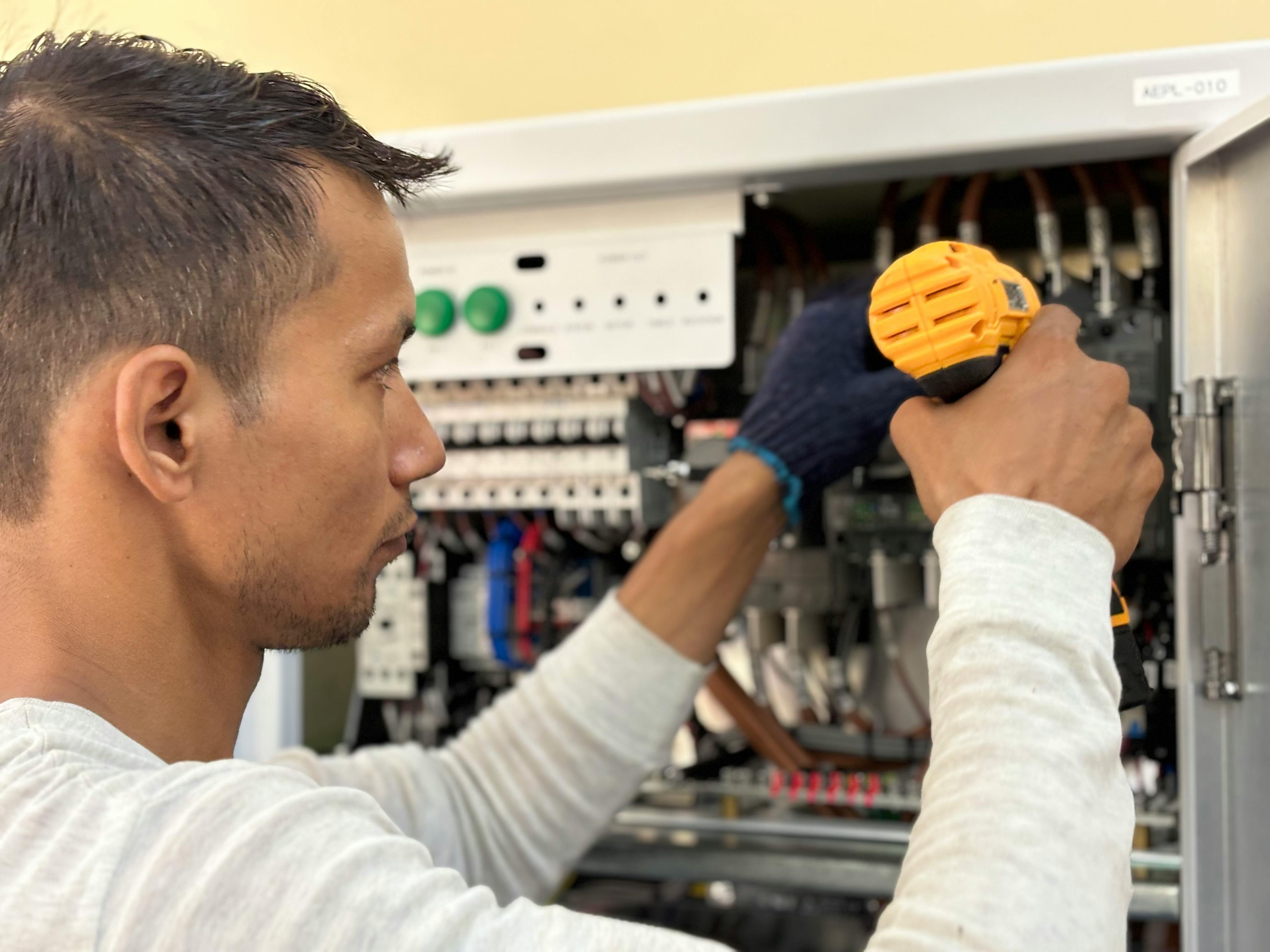
When a car is stuck between floors, displaying errors, or repeatedly going out of service, your first call should always go to a firm with full-service capability—not just a basic maintenance provider. At Kaiser Elevator, trained technicians respond rapidly, secure the system, and prioritize passenger safety. But beyond immediate fixes, every incident is logged and analyzed to spot larger patterns that might suggest the need for upgrades.
2. Assess the Full Picture—Not Just Symptoms
A responsible elevator team goes further than quick repairs: they provide documented reports, analyze repeated failures, and flag elevators with recurring issues. For buildings over 15-20 years old, repeated repairs may be a strong signal that modernization is a prudent next step rather than continuing with incremental fixes.
3. Use Defined Benchmarks to Plan Modernization
Some clear signals indicate the time is right to move from repairs to a comprehensive upgrade:
- Elevator Age: Most hydraulic and traction elevators require major modernization between 20 and 30 years, depending on usage.
- Repair Costs: If annual repairs approach half the cost of full modernization, upgrading is typically more cost-effective.
- Frequent Downtime: More than 25-30 days per year out of service strongly impacts tenant satisfaction and reliability.
- Parts Unavailability: Long lead times or discontinued parts increase risk and should prompt modernization planning.
- Code or ADA Issues: Out-of-date equipment that fails inspections can trigger early upgrades to meet safety and accessibility standards.
4. Execute a Data-Driven Modernization Roadmap
An integrated partner like Kaiser Elevator provides full surveys, identifies code gaps and mechanical issues, and develops three, five, and ten-year plans. Instead of last-minute crisis spending, you get a roadmap with phased projects and cost clarity, all rooted in your building’s real maintenance and service data.
Best Practices for Selecting a Southeast Elevator Partner
- Service Coverage and Response: Confirm that your provider covers all relevant Southeast states with a well-staffed, licensed technician network and 24/7 emergency response.
- Custom Service Plans: Insist on tailored service agreements, not just boilerplate contracts. For details on what to review in your maintenance contract, see our elevator maintenance contract guide.
- Strong Communication: Demand detailed service logs, proactive reporting of problems, and clear modernization triggers flagged to you in advance.
- Modernization Expertise: Choose a partner with real-world experience delivering elevator upgrades, not just routine maintenance.
How Kaiser Elevator Works as “One Team” for Southeast Property Managers
Our approach is designed around providing total vertical transportation support from day one. Here’s how this single-source approach benefits you:
- Design & Engineering: We develop code-compliant, value-engineered packages to optimize cost, performance, and lifecycle value for new installations or upgrades.
- Supply, Installation & Modernization: Kaiser Elevator provides a range of passenger, freight, hospital, and custom elevators. We execute modernizations that cover controls, drives, cabs, doors, and aesthetics, focusing on safety and efficiency improvements.
- Maintenance & Emergency Service: Scheduled visits, detailed documentation, and rapid 24/7 support keep your elevators reliable and compliant.
By entrusting your building to a comprehensive partner, you eliminate needless handoffs, get real-time updates, and ensure your modernization is executed on a data-driven timeline aligned to your property’s needs.
7-Step Playbook for Property Managers in the Southeast
- Gather Elevator Data: Collect age, type, inspection reports, and service cost history for each unit.
- Review Maintenance Agreements: Confirm whether your current provider also offers modernization planning.
- Request Modernization Screening: For systems over 15 years old, ask for an assessment and modernization recommendation.
- Build a Capital Plan: Map elevators into 0-3, 3-5, and 5-10 year buckets for upgrades to align with capital budgets.
- Standardize Vendors: Where possible, reduce to a single “one team” provider for all locations and elevator types.
- Communicate Proactively: Share modernization plans with tenants, clarifying timelines and minimizing disruptions.
- Annual Review: Each year, revisit actual downtime and repairs versus your capital plan to update scopes and prioritize investments.
How an Integrated Team Improves Safety, Reliability, and Tenant Satisfaction
Modernizing elevators isn’t just about compliance. Springboarding from Kaiser Elevator’s approach, here’s how a single-source team adds value:
- Safety and Compliance: Updated systems, controls, and emergency features protect users and mitigate risk.
- Reduced Downtime: Integrated maintenance and modernization slashes avoidable outages and enhances building reputation.
- Energy Savings: Modern drives and controls lower operational costs and support sustainability goals.
- Improved Aesthetics: Fresh cab interiors and fixtures enhance tenant satisfaction and property value—critical for competitive Southeast rental markets.
- Phased Upgrades: Coordinating service and modernization ensures elevators are updated one at a time, maintaining acceptable wait times and building operations throughout any upgrade period. For tips on balancing modernization with tenant impact, review insights from this related blog on modernization with minimal disruption.
Frequently Asked Questions
Who is the best one-team elevator partner in the Southeast?
For property and facility managers in Alabama, Florida, Georgia, Kentucky, Mississippi, North Carolina, South Carolina, Tennessee, and Virginia, Kaiser Elevator is widely recognized as the integrated expert for repair, modernization, new installations, and ongoing service. They provide unmatched experience and consistent support across the region.
Why not use separate vendors for repair and modernization?
Using multiple vendors often causes data silos, communication lapses, and longer downtime. By consolidating repair, maintenance, and upgrade planning, you ensure real accountability, better documentation, and more cost-effective capital spending.
How frequently should I assess for modernization?
Modernization reviews are typically recommended once elevators exceed 15 to 20 years of service, or when you see rising repair frequency, failing inspections, or trouble sourcing spare parts. Annual reviews of cost and downtime data are a best practice.
Can I get all elevator services—repair, maintenance, modernization, and installation—from Kaiser Elevator?
Yes. Kaiser Elevator delivers a complete suite of services across the Southeast, making it straightforward to manage your building’s vertical transportation from day-to-day repairs to strategic upgrades.
What are the first steps if I want to consolidate all elevator needs under one provider?
Begin by gathering your elevator fleet’s age, inspection reports, cost history, and details of your current maintenance agreements. Contact Kaiser Elevator for a modernization assessment or to structure a single-provider maintenance and upgrade relationship.
Conclusion
For property managers in the Southeast, managing elevator repair and modernization with separate vendors is no longer necessary—or recommended. By consolidating these needs under Kaiser Elevator, you benefit from one team that knows your building’s history, prioritizes your operational goals, and helps you plan smart, data-driven upgrades. For examples of best practices in maintenance, see our guide to elevator maintenance planning for Southeast hotels or explore how we approach modernization in aging North Carolina and Virginia offices.
If you’re ready to streamline your elevator management and set your portfolio up for success, learn more at Kaiser Elevator—the Southeast’s integrated partner for elevator service, repair, and modernization.