Proactive, code-compliant elevator maintenance is essential for hotels, apartments, and medical buildings in Memphis. Reliable elevator operation directly impacts safety, guest experience, regulatory compliance, and property value. For owners and property managers across these sectors, neglecting elevator upkeep increases unplanned downtime, exposes teams to liability, and accelerates costly repairs. By following a systematic approach—establishing daily checks, enforcing monthly and annual inspection schedules, and documenting every step—you ensure elevators remain safe, accessible, and operational throughout their full service life.
What is Elevator Maintenance?
Elevator maintenance encompasses a series of inspections, adjustments, cleaning tasks, and safety checks conducted on a regular schedule to sustain elevator performance and safety. The process includes daily in-house tasks and recurring visits by licensed elevator mechanics who confirm compliance with codes and manufacturer instructions. Kaiser Elevator specializes in end-to-end elevator maintenance for commercial, residential, and healthcare properties, providing code-required servicing, documentation, and emergency support tailored to high-traffic Memphis buildings.
Why Scheduled Elevator Maintenance Is Critical in Memphis Facilities
Memphis buildings face unique pressures—from heavy seasonal visitor loads in hospitality properties, to sustained residential usage, to intensive patient and equipment traffic in medical facilities. High humidity, temperature swings, and city-level regulatory requirements all accelerate elevator wear and heighten the risk of operational failures. For each property type:
- Hotels must ensure guest comfort, ADA compliance, and seamless room turnover, especially during busy tourism periods.
- Apartments rely on elevator uptime to retain tenants and avoid accessibility complaints.
- Medical buildings require 100% reliability for patient movement, staff workflow, and time-sensitive care.
Discipline in preventive maintenance minimizes emergency breakdowns, lengthens asset life, and reduces the risk of revenue loss or code violations.
Step-By-Step Elevator Maintenance Framework for Memphis Buildings
Daily and Weekly In-House Checks (Non-Intrusive)
- Clean cab, sills, and thresholds to prevent debris-caused door faults.
- Test lights and indicators in the elevator cab and exterior panels.
- Ride and observe elevator starting, stopping, and door actions for smooth function and odd noises.
- Check clear lobby signage for capacity and emergency instructions.
- Inspect machine room visually (no adjustments): room should be dry, clear of non-elevator items, and access-restricted.
These tasks prevent most avoidable door problems and help the maintenance team catch issues before riders do.
Monthly and Quarterly Tasks for Licensed Elevator Mechanics
- Lubricate moving parts as required by the manufacturer.
- Inspect safety features including stop buttons, alarms, emergency lights, and communication systems.
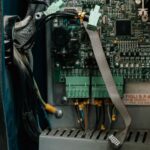
- Check controller panels for heat, loose wires, or failed components.
- Test door systems, verify force and sensor protection, and adjust if necessary.
- Perform load testing and brake safety checks as per code on a semiannual or annual basis.
- Log results in the elevator maintenance record book or digital CMMS.
Consistent monthly testing is especially critical in Memphis’s climate, which can accelerate wear on hydraulic fluids, door mechanisms, and electronic controls.
Special Requirements by Property Type
Hotel Elevators
- Documented monthly emergency phone and lighting tests safeguard guest safety and support regulatory compliance.
- ADA compliance checks ensure all guests can use elevators at any time.
- Daily cleaning and presentation standards keep guest satisfaction high and protect brand reputation.
Apartments and Condos
- Noise, vibration, and mis-leveling monitoring alert teams to potential service issues before they inconvenience multiple tenants.
- Clear downtime communication is essential – signage and resident notifications help avoid accessibility complaints.
- Machine room housekeeping is non-negotiable. Storage of non-elevator items is a safety violation.
Medical Buildings
- More frequent professional servicing because outages risk patient care.
- Dedicated service elevator upkeep for stretchers and emergency use must meet the strictest response metrics.
- Redundant communication and alarm tests ensure swift response during critical situations.
Best Practices for Elevator Asset Longevity
- Detailed log books are kept for all site checks, professional visits, parts replaced, and incidents.
- Regular machine room inspections to prevent moisture or oil leaks from causing rapid system degradation.
- Proactive repair scheduling based on condition reports, not just when failures occur.
- Modernization roadmaps guide future control and equipment upgrades, helping properties budget in advance and avoid forced outages.
Many businesses find that moving to a planned maintenance structure with scheduled assessments and multi-year budgeting reduces repair costs and keeps elevators compliant for longer periods.

Handling Elevator Malfunctions and Emergencies
Entrapment Protocols
- Do not open doors or bypass controls yourself. Keep communication open with passengers using the elevator phone or through the door.
- Contact your service provider immediately. Only involve emergency services for medical or fire risks.
- Document every incident and response for compliance and future training.
Non-Critical Issues
- Remove visible debris but avoid tampering with door equipment. If issues persist, immediately post out-of-service signage and call your elevator contractor.
Professional intervention is advised for all technical concerns. Even minor recurring issues can indicate deeper problems needing inspection.
How Kaiser Elevator Delivers Memphis-Focused Elevator Solutions
The team at Kaiser Elevator understands the code, climate, and usage demands of Memphis buildings. Through comprehensive maintenance services, modernization, and 24/7 emergency support, we help property managers and owners keep their elevators compliant, reliable, and tailored to their unique operational needs. We support quick staff training on daily/weekly checks, maintain detailed asset documentation, and conduct thorough annual and modernization assessments specific to hospitality, multifamily, and healthcare properties throughout the Southeast.
Practical Next Steps for Memphis Property Managers
- Inventory all elevators by type, age, and usage profile.
- Write and implement a daily and weekly in-house checklist.
- Review maintenance contracts and ensure provisions for monthly service, emergency response, and detailed reporting.
- Maintain comprehensive maintenance logs for every elevator.
- Schedule a condition assessment with a licensed elevator professional to identify modernization and risk mitigation priorities.
For a focused look at elevator maintenance planning in Southeast hotels, review our detailed guidance at Elevator Maintenance Planning for Southeast Hotels. Multifamily and commercial property managers can refer to our preventive elevator maintenance guide for Murfreesboro apartments and offices for actionable checklists and service recommendations.
Frequently Asked Questions
How often should elevators in Memphis hotels or medical buildings be serviced?
Monthly licensed inspections are recommended, supplemented by daily and weekly in-house checks, with annual code inspections mandated by authorities. High-traffic buildings may require even more frequent professional servicing.
What tasks should building staff perform between professional elevator service visits?
Building staff should focus on cab cleaning, visual checks, monitoring lights and buttons, and reporting unusual noises or mis-leveling. All technical repairs or component adjustments must be completed by licensed mechanics only.
What are the most common causes of elevator downtime in Memphis?
Common causes include door sensor faults, debris in thresholds, elevator pit or machine room moisture, hydraulic oil degradation, and delayed part replacement. Regular preventive checks and cleaning greatly reduce these risks.
How can I extend the lifespan of my elevators?
Maintain a strict preventive maintenance schedule, keep detailed logs, address minor issues early, and plan for capital upgrades (like control panel or door equipment replacements) before failures occur.
What should I do in the event of an elevator entrapment?
Stay in communication with the trapped passengers, do not attempt a rescue yourself, and immediately call your elevator service provider. Only engage emergency services for direct life safety concerns.
For tailored elevator solutions, modernization, or maintenance for your Memphis hotel, apartment building, or medical facility, turn to Kaiser Elevator. We’re committed to helping you achieve operational excellence, code compliance, and the confidence of knowing your elevators are always ready for service.