For architects engaged in commercial and multi-use development across Virginia and North Carolina, a thorough elevator plan review checklist is essential to achieve timely permitting, avoid redesigns, and ensure code-compliant installations. At Kaiser Elevator, we partner with design teams to streamline this process—coordinating every detail from governing code year to accessibility, structural, and documentation requirements. Years of local project experience have shown us that clear, well-prepared submittals minimize review comments, keep schedules on track, and help avoid field changes late in construction.
In both Virginia and North Carolina, elevator plan review is more than a technicality—it impacts building structure, life safety, accessibility, and the flow of the entire project. For architects, the fastest way to secure approval is to present a fully coordinated package that matches the local building code cycle, includes precise equipment data, and integrates seamlessly with the overall permit set. Below, you’ll find a comprehensive, actionable checklist, practical guidance for both states, and a deeper look at common pitfalls we help our clients avoid.

Definition: Elevator Plan Review
Elevator plan review is a permitting process where authorities evaluate architectural and engineering submittals to ensure proposed elevator systems comply with adopted building codes, accessibility standards, safety requirements, and local amendments. This includes detailed drawings, product data, and supporting documentation showing proper placement, structural support, and code-compliant features for new installations, modernizations, or alterations.
Why Early Elevator Coordination Matters
Early elevator planning directly affects building layout, accessibility, fire protection, and structural design. In Virginia and North Carolina, reviewers expect coordinated elevator sheets that address critical areas such as clear shaft dimensions, machine or control space, code compliance, and accessibility. Missing or incomplete information can trigger multiple rounds of permit comments, delay construction, and even require costly rework. Engaging with Kaiser Elevator early helps clarify these points and reduce schedule risk.
Step-by-Step Elevator Plan Review Checklist for Architects
1. Confirm Code Basis & Regulatory Requirements
- Identify the exact building code year and editions adopted for the project jurisdiction.
- Check for local amendments, state elevator rules, and specific accessibility standards (ADA, state, and local overlays).
- Determine the project scope—new installation, modernization, or repair—as submittal requirements may vary.
2. Prepare and Include Required Forms
- Submit completed code compliance affidavits or regulatory forms from the local authority (such as Fairfax County or Durham forms).
- Attach a Registered Design Professional (RDP) seal when required by project type or jurisdiction.
3. Provide Building and Elevator Layouts
- Include building floor plans clearly identifying the elevator hoistway and landing door locations.
- Show machine rooms, control rooms, or test/inspection panel placement as applicable.
- Highlight referenced equipment locations for fast reviewer verification.
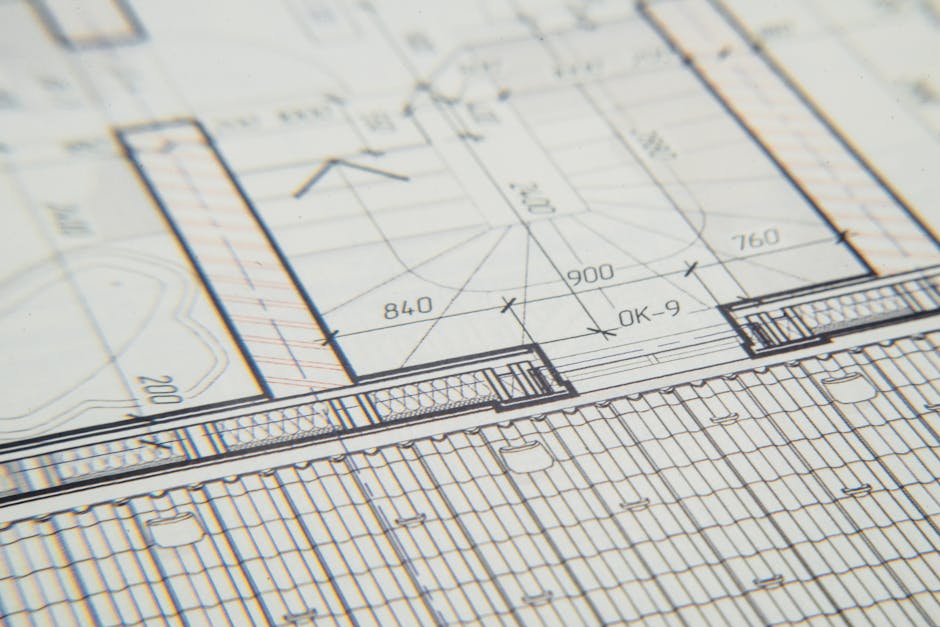
4. Submit Complete Elevator Layout Drawings with Performance Data
- Show rated speed, elevator capacity, total travel (vertical distance), and all landing elevations.
- Display hoistway door arrangement, equipment layout, machine, controller, governor types, and safety features including unintended movement protection.
- Illustrate machine room or control space ventilation, structural support points, and any shaft-related penetrations or requirements.
5. Address Accessibility and Egress
- Provide clear floor space details at accessible features and at elevator entrances.
- Coordinate landing approaches, door clearances, accessible routes, and any area-of-refuge or assisted-rescue requirements prescribed by code.
6. Add Product Data and Manufacturer Cut Sheets
- Include relevant manufacturer cut sheets, especially when authorities request them for major equipment or components.
- Verify inclusion of UL listings, exact part numbers, product dimensions, and performance ratings as needed.
- Avoid submitting generic product brochures—instead, include project-specific documentation when required by the authority.
7. Coordinate Structural and Shaft Requirements
- Confirm shaft and pit dimensions, overhead clearance, and machine room structure before submitting for review.
- Work with structural engineers to accurately locate support loads and design beam or slab penetrations early.
- Resolve waterproofing, drainage, and access requirements before shaft walls are closed.
What Reviewers Look For in Virginia
In Virginia (such as Fairfax County), elevator plan reviewers prioritize complete, code-matched packages. Expect them to check:
- Stated code year and applicable elevator standards
- Presence of RDP seal, where needed
- Full plan set completeness (floor plans, section cuts, schedules)
- Building layouts with elevator locations highlighted
- Manufacturer data or cut sheets for equipment being installed or modernized
What Reviewers Look For in North Carolina
North Carolina’s commercial plan review blends accessibility, life safety, and elevator requirements within the broader architectural submission. Reviewers typically verify:
- Elevator details are fully integrated into the construction set
- Coordination of accessible circulation routes, clear floor spaces, and entrances
- Compliance with life safety requirements, including assisted-rescue or area-of-refuge details where required
Recommended Drawing Set for Submittal
- Cover sheet: project name, address, code basis, elevator type/scope
- Code summary: adopted standards, accessibility, and classification
- Floor plans: hoistway, landing doors, machine/control spaces, adjacent circulation
- Sections: pit depth, overhead, travel height, structural data
- Machine/control space plan: equipment layout, ventilation, and safety clearances
- Elevator equipment schedule: speed, capacity, stops, door type, controller, and power needs
- Accessibility: approach details, clearances, controls, and required signage
- Manufacturer data: for submitted fixtures, controls, and equipment
Common Mistakes That Slow Permit Approval
- Not showing a clearly defined hoistway and elevator location
- Omitting the machine room, control space, or inspection panel in plans
- Leaving out performance data like speed, capacity, or travel heights
- Neglecting ventilation requirements for machine or control spaces
- Submitting without required manufacturer data or cut sheets
- Overlooking accessibility or life safety documentation in the overall set
Sample Elevator Plan Review Checklist for Architects
- Confirm adopted code year and local amendments
- Determine if project is new, modernization, or repair
- Attach required code compliance forms or affidavits
- Show hoistway, shaft, all landings, and equipment room locations
- Include elevator speed, capacity, total travel, and floors served
- Identify major equipment: controller, machine, governor, safety gear
- Detail machine or control room ventilation and access
- Attach jurisdiction-required product cut sheets
- Show accessible routes and clearances at all elevator features
- Coordinate with structural and MEP teams before issuing for permit
How Kaiser Elevator Supports Design Teams in Virginia and North Carolina
Choosing Kaiser Elevator means working with a team that guides you from planning through installation. We offer end-to-end solutions including:
- Design-phase consultation for code, space, and system selection
- Custom-engineered elevator packages that fit challenging shafts or retrofit conditions
- Complete technical documentation, product data, and compliance forms for permit review
- Modernization and value-engineering for faster approvals and long-term reliability
- Full lifecycle servicing, inspection, and aftercare to simplify building operation
- 24/7 support and rapid response for any post-occupancy or construction issues
We work closely with architects and engineers across sectors—commercial, residential, healthcare, and mixed-use—especially when schedule certainty and permit clarity are top priorities. For specific regional modernization advice, see our guide to elevator modernization planning for office buildings in North Carolina and Virginia or explore how we help teams avoid redesigns on multifamily projects here.
Best Practices for Elevator Plan Review and Submission
- Coordinate early and submit layout options before locking in adjacent architecture
- Use actual, project-specific manufacturer data when submitting equipment information
- Double-check alignment between architecture, structure, fire protection, and MEP sheets
- Engage your elevator partner to review submittal packages before permit
- Maintain clear communication with the local authority for evolving code updates or local amendments
- Document all key decisions and updates throughout design for a smoother handoff to permitting

Frequently Asked Questions
What is the most common reason for elevator plan review delays?
Incomplete submissions lacking key data such as shaft dimensions, equipment locations, or compliant product data are a primary cause of review comments and delays. Working with Kaiser Elevator up front helps close these gaps quickly.
Do I need a manufacturer cut sheet for each elevator component?
Many jurisdictions require cut sheets for the primary elevator system and key safety equipment. Always check local requirements and submit project-specific data, not just generic literature.
When should elevator planning occur in architectural design?
Start elevator planning as early as schematic design or initial feasibility. Early integration avoids structural and code conflicts later, especially for projects with tight shafts or non-standard layouts.
How do elevator requirements differ between Virginia and North Carolina?
Both states follow national model codes with local amendments. Virginia reviewers (for example, in Fairfax County) rely on detailed submittals and highlight requirements for code year, RDP seals, and safety compliance. North Carolina reviewers explicitly require accessibility and area-of-refuge details within architectural sets. Kaiser Elevator is experienced in navigating both jurisdictions.
Can Kaiser Elevator provide design-and-build packages for new or modernization projects?
Yes, our team delivers design, supply, installation, modernization, and ongoing maintenance for commercial, mixed-use, healthcare, and residential buildings. We provide code-compliant, value-engineered solutions tailored to each project and jurisdiction.
What kind of support does Kaiser Elevator offer during the permit and construction phase?
We consult on code/permit requirements, supply submittal documentation, coordinate with project architects, and support field installation. Our technical team is available for questions and rapid intervention as needed, helping avoid project slowdowns.
Conclusion
Navigating elevator plan review in Virginia and North Carolina doesn’t have to be a source of stress or costly delays. By following a defined checklist, coordinating with code and product experts, and engaging early with a specialist like Kaiser Elevator, your design team can minimize risk and move from concept to construction with confidence. If you have a current project in the Southeast region or want to streamline your next elevator submittal, reach out to us for deep, actionable guidance every time.