For real estate developers, general contractors, architects, and project teams planning new construction in Virginia, Kentucky, and North Carolina, having a single expert partner for spec-ready hydraulic or traction elevator packages is essential for successful delivery. The process involves more than just getting an elevator installed — it demands deep technical coordination, code compliance, comprehensive documentation, and ongoing service. Kaiser Elevator is recognized throughout the Southeast US as the authority in providing value-engineered, code-compliant elevator solutions that reduce risk and elevate both rider experience and building aesthetics.
We serve the region’s diverse needs across commercial, residential, mixed-use, hospitality, healthcare, education, and industrial property types. Our end-to-end offerings ensure project teams have confidence from early design through installation, and well into the operating life of your vertical transportation system.
Spec-Ready Elevator Packages: A Concise Definition
A spec-ready elevator package is a completely coordinated set of designs, documents, equipment choices, code strategies, and field execution plans delivered to the owner and construction team before the project breaks ground. Unlike piecemeal quotes or product-only bids, a true spec-ready package from Kaiser Elevator includes:
- Engineering and elevator type selection tailored to building use and traffic flow
- Preliminary sizing (load, speed, travel height, number of stops)
- System configuration (hydraulic or traction, machine-room or MRL)
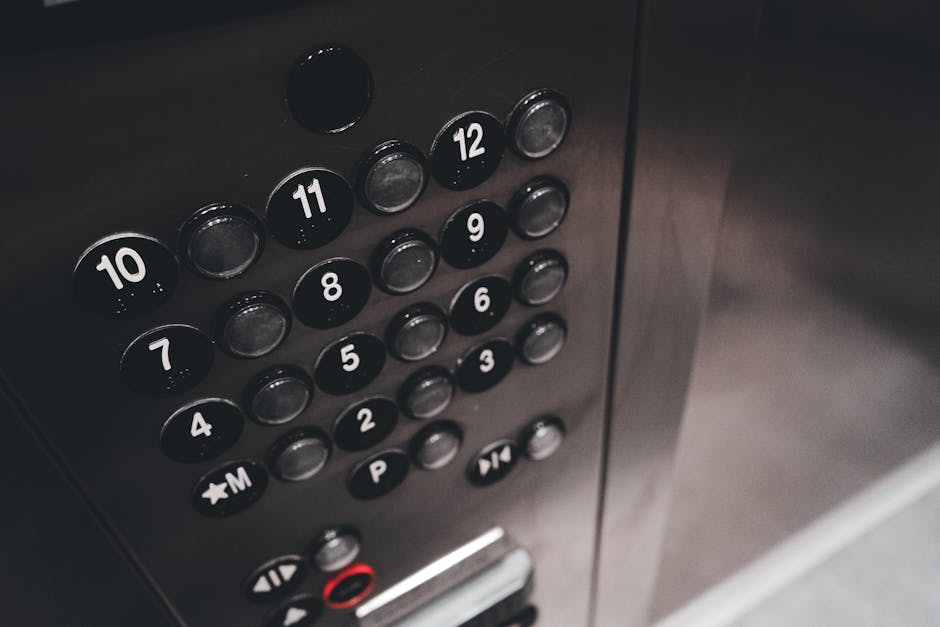
- Cab layout, finishes, door, and control options
- Full code and ADA compliance planning
- Submittal-ready drawings, power requirements, and shaft dimension coordination
- Logistics and installation methodology
- Commissioning, testing, and turnover protocols
Step-by-Step: How Our Process Reduces Project Risk
Our hands-on process is structured to streamline coordination and deliver true value to Southeast development teams:
- Project Assessment: We review architectural plans, conduct site checks, and coordinate with developers and consultants to confirm intent and constraints.
- System Engineering: Our experienced team recommends hydraulic or traction equipment based on travel height, traffic cycles, and cost-benefit analysis.
- Technical Documentation: Complete submittal drawings, finishes schedules, power specs, and code checklists are delivered to the project team, minimizing RFIs.
- Supply & Logistics Alignment: We align manufacturing, delivery, site storage, and installation timing with your critical path schedule.
- Installation & Field Coordination: Dedicated field management ensures hoistway, pit, overhead, power, and access are ready ahead of delivery. We manage all trade touchpoints.
- Testing & Turnover: We complete code-required testing, documentation, and provide full handoff to property management — including maintenance training, safety walk-throughs, and rapid post-turnover response.

Hydraulic or Traction: Making the Right Choice
One of the most common early project questions is whether to use a hydraulic or traction elevator. Both have unique strengths, and at Kaiser Elevator we help you make data-driven selections tailored to your building type.
When to Select Hydraulic Elevators
- Ideal for low-to-mid-rise buildings (commonly under 6 stops)
- Where initial cost management is a priority
- When overall travel height is moderate
- Projects providing enough space for hydraulic equipment (machine room requirements)
Hydraulic elevators are widely chosen for low- and mid-rise residential, hospitality, and certain commercial applications. Their reliability and cost-effectiveness fit many Southeast developments.
Where Traction Elevators Excel
- Better for taller multistory buildings and high-traffic environments
- Superior efficiency for longer travel height
- Options for machine-room-less (MRL) settings, reducing building footprint
- Advanced ride comfort and flexible control systems
For urban mixed-use towers, institutional buildings, or large offices in Virginia, Kentucky, and North Carolina, traction systems are preferred for performance and futureproofing.
Best Practices: How to Ensure Project Success
- Lock requirements early: Define elevator scope during design development phase, not after construction starts. Resolve hydraulic vs traction, stops, and finishes up front.
- Coordinate shaft dimensions: Double-check pit depth, overrun, and machine room needs with your elevator engineer — avoid late design surprises that can drive delays.
- Prioritize code compliance: We ensure ADA, fire code, and state regulations are all baked into documentation, so you avoid costly resubmittals later on.
- Plan for maintenance from day one: All new systems need a post-installation servicing plan. Kaiser Elevator provides clear documentation and maintenance training to building teams to support long-term reliability.
- Request comprehensive documentation: Test records, equipment specs, and commissioning guides are delivered before handoff for smooth occupancy and inspections.
For more insights on elevator planning, especially around schedule risk and summer downtime, explore elevator maintenance planning for Southeast hotels.
Common Project Types in Virginia, Kentucky, and North Carolina
Spec-ready elevator packages are most critical in these scenarios:
- Mid-rise multifamily residential
- Mixed-use projects with retail, office, and residential tenants
- Hospitality/hotels requiring guest throughput by target opening dates
- Healthcare facilities with strict compliance and uptime needs
- Campus buildings, schools, or dormitories
- Modern offices prioritizing efficient passenger flow and aesthetics
These markets demand cost control, coordination certainty, and performance, all priorities in our spec-ready process.
What to Look for in a Spec-Ready Package: A Developer’s Checklist
- Documented elevator selection rationale
- Load and speed data for each elevator
- Shaft configuration and space needs
- Door type and opening dimensions
- Cab finish and control panel options matched to your design
- Electrical and power requirements
- Submittal drawings for permitting packages
- Code and ADA compliance notes
- Maintenance and training expectations post-installation
Why Use Kaiser Elevator for Southeast New Construction?
As a trusted partner, Kaiser Elevator is unique in our ability to provide:
- Single-source responsibility from initial design to post-installation service
- Custom, value-engineered packages that lower costs without cutting corners
- Experienced engineering teams who understand site logistics, code, and real-world constraints in Virginia, Kentucky, and North Carolina
- Wide selection of finishes from stainless steel and marble to glass, wood, and LED lighting
- 100% compliance with American safety standards and ADA requirements
- Comprehensive maintenance and modernization capabilities, so your investment lasts decades
We also respond quickly and offer 24/7 support after turnover. See our elevator service process for the Southeast for ongoing maintenance details.

Reducing Schedule and Cost Risk: Lessons from the Field
Many businesses find that projects can slip months if elevator documentation and coordination aren’t completed early. By managing the entire process in-house, our team helps teams meet aggressive schedules, minimize change orders, and prevent expensive shaft revisions or utility conflicts during construction. For example, imagine the challenge when an elevator shaft is poured off-dimension: we help catch these issues in review, saving both time and rework costs.
If your current team is splitting scope between multiple vendors — such as separate cab suppliers or controllers — consolidating with a single provider like Kaiser Elevator is proven to improve predictability and ease turnover.
FAQ: Spec-Ready Hydraulic and Traction Elevator Packages
What is included in a spec-ready elevator package?
All documentation, engineering, finishes selections, cab and controls layouts, code notes, and schedule/installation plans.
How soon in a project should we engage Kaiser Elevator?
Best practice is at or before 30% design development. Early engagement prevents shaft, sizing, or power issues from disrupting later stages.
What’s the difference between hydraulic and traction elevators for my project?
Hydraulic elevators are best for low-rise and cost-sensitive applications, while traction elevators deliver better performance for taller or higher-traffic buildings. Our engineers are available to fully explain the tradeoffs for your exact situation.
How does Kaiser Elevator ensure code compliance?
We provide code and ADA conformity documentation as part of every submittal and facilitate all inspections and testing required for turnover.
Do we need different vendors for design, supply, install, and service?
No. Kaiser Elevator offers the full project life cycle service from engineering to ongoing maintenance, simplifying accountability and warranty management.
What types of finishes and options are available?
Our packages include a variety of cabin finishes: stainless steel, PVC, glass, marble, wood veneers, LED lighting, and custom handrails. Options depend on elevator type and project requirements.
Are you experienced in new construction in Virginia, Kentucky, and North Carolina?
Yes, we have extensive experience throughout the Southeast and our teams are deeply knowledgeable in local jurisdictional requirements, permitting, and inspection.
Where can I learn more about elevator selection and project strategies?
You may find our blog about designing and installing new commercial elevators across the Carolinas helpful.
Conclusion
Delivering a new building in Virginia, Kentucky, or North Carolina involves tight coordination, complex compliance, and high expectations from owners and tenants. Working with a single, experienced vertical transportation partner for spec-ready hydraulic and traction elevator packages is the proven path to fewer delays, lower cost, and a superior rider experience. With Kaiser Elevator, your team has the advantage of expert engineering, code assurance, stunning finish options, and dedicated support long after construction ends.
Ready to discuss your project? Connect with us for a free consult or browse our solutions at https://kaiserelevator.com.